ServicesPrecision Machining
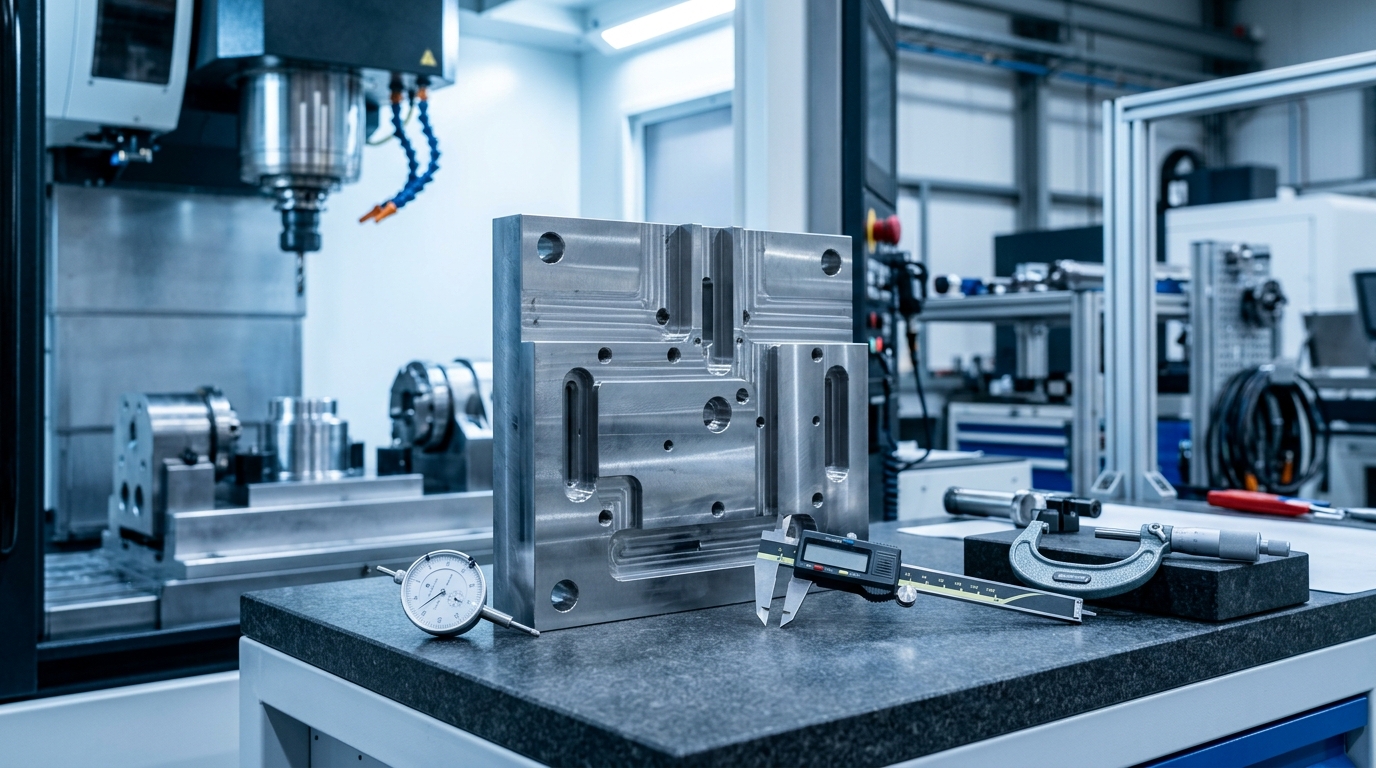
Precision machining for tolerance-critical functional interfaces.
Precision machining is not only about holding a number on a drawing. It is about controlling the features that drive fit, motion, sealing, alignment, and final product performance.
Precision Machining
Lead time
As fast as 2 days
Tolerance
Down to +/-0.01 mm
Support
DFM + engineer review
Service Overview
A service page built around real sourcing and engineering decisions.
This page helps product teams understand when the process is the right fit, what risks should be checked, and how geometry, material, and production intent connect together.
Best for
01
Tolerance-sensitive assemblies
02
Fit, alignment, and sealing features
03
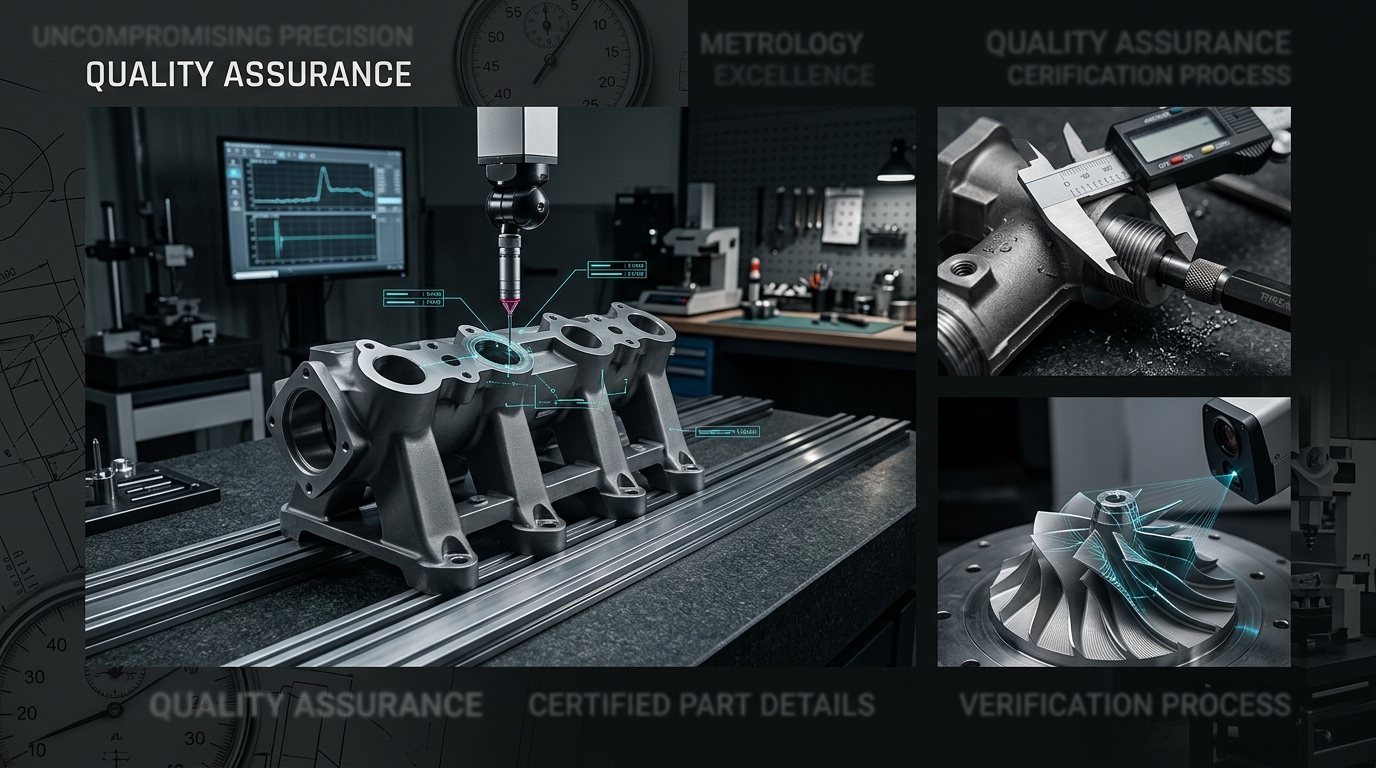
Programs where inspection confidence is part of sourcing
Where it fits
Critical interfaces, bores, datum surfaces, and alignment features
Assemblies where fit or movement depends on dimensional stability
Parts that require tighter inspection discipline
Key capabilities
Closer control over critical dimensions and reference features
Process planning that prioritizes feature sequence and inspection
Support for appearance-sensitive and function-sensitive geometry
Common materials
Stainless steelTool steelAluminumTitaniumDelrinPEEK
What to verify
What buyers and engineers should validate before release.
True critical-to-function dimensions versus non-critical geometry
Inspection method selection for bores, datums, and surfaces
Tolerance stack-up and mating risk before production
What we prepare
What this service helps prepare for the next production step.
Machined parts with disciplined control on critical features
DFM recommendations to reduce unnecessary tolerance cost
Inspection-oriented production planning for key dimensions
FAQ
Common questions about this CNC service.
What does precision machining usually mean in practice?
It usually means the process is planned around tighter control of critical dimensions, fit-sensitive features, and inspection requirements that directly affect performance.
Do all dimensions need tight tolerances in a precision machining project?
No. The best precision machining programs identify which features truly drive function so cost is focused where it matters most.
Which industries often need precision machining?
Aerospace, medical, robotics, electronics, industrial equipment, and automotive programs often rely on precision machining for mission-critical parts.
Precision Machining
Need machining built around fit, alignment, and inspection confidence?
Upload your drawing set and we will review the dimensions that matter most before recommending a precision-focused process route.