ApplicationsAutomotive
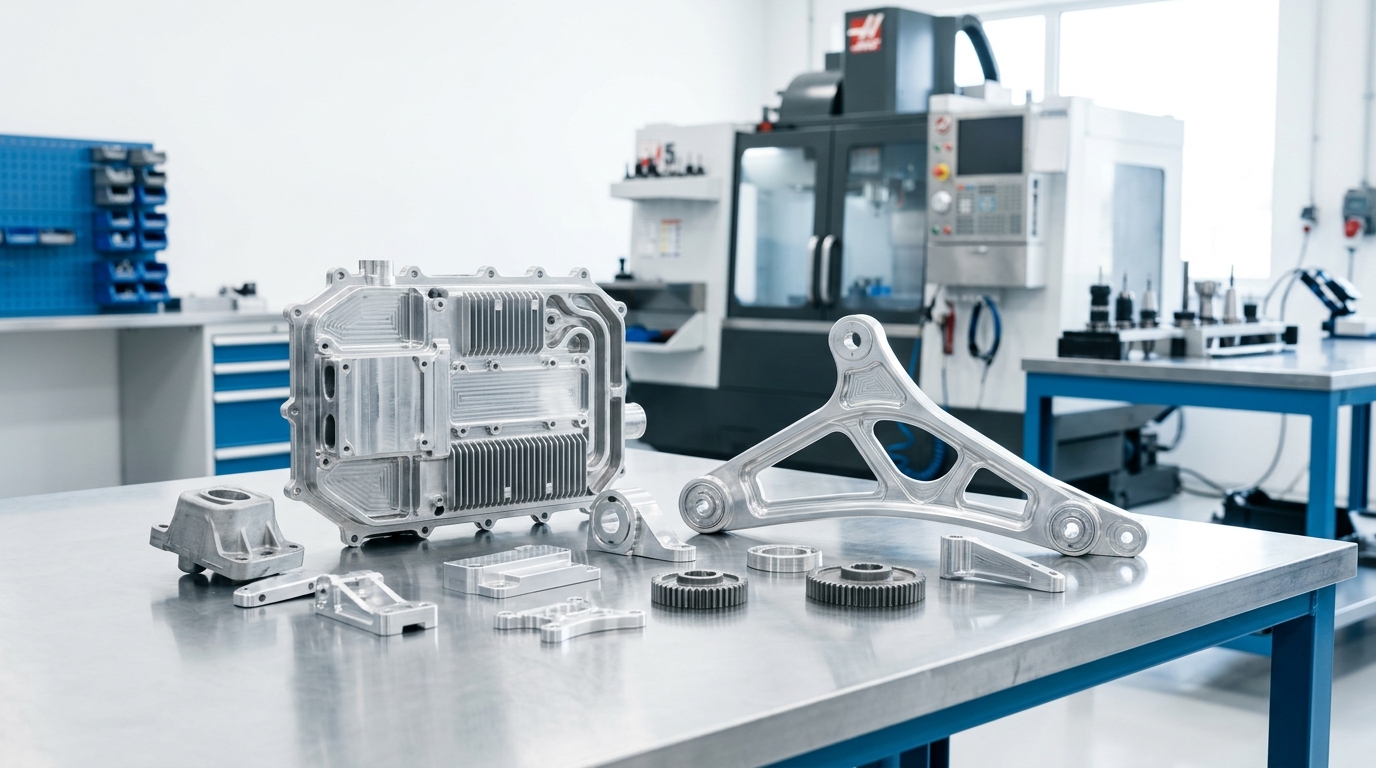
Automotive CNC machining for EV parts and brackets.
Automotive teams need quick machining cycles without sacrificing fit, rigidity, or surface quality. This page focuses on parts that move from testing to short-run supply with less friction.
Automotive
Lead time
As fast as 2 days
Tolerance
Down to +/-0.01 mm
Support
DFM + engineer review
Industry overview
A stronger landing page for real manufacturing buyers.
This page is designed to do more than summarize capabilities. It helps sourcing teams, engineers, and project managers evaluate part fit, materials, quality expectations, and manufacturability with more confidence.
Buyer priorities
What teams usually need to validate before requesting a quote.
01
Fast revision cycles for changing prototype geometry
02
Stable tolerances on mating features and bolt patterns
03
Cost control for pilot builds and low-volume EV programs
Typical applications
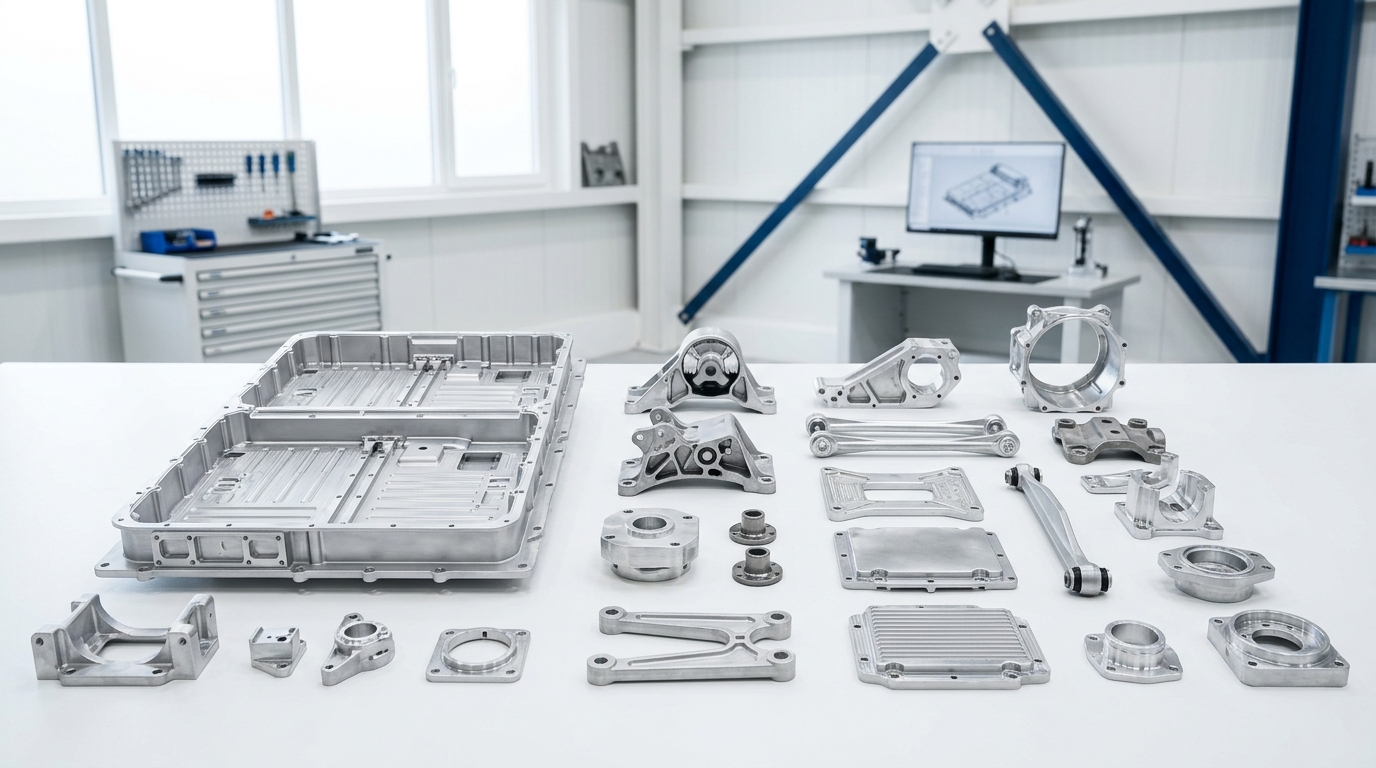
EV battery enclosure components
Suspension brackets and mounts
Powertrain housings and covers
Sensor mounts and test fixtures
Key capabilities
Rapid prototype iteration for engineering validation
Tight control on mating dimensions and mounting features
Aluminum-focused machining for lightweight assemblies
Stable repeatability for pilot and low-volume supply
Common materials
Aluminum 6061Aluminum 7075SteelStainless steel
Why CNC works here
Fast design-turn feedback supports aggressive product timelines.
Clean machined surfaces help with inspection, fit checks, and downstream assembly.
Short-run production is practical for niche models and EV subsystem launches.
Part families
The component categories most often sourced in this sector.
Battery tray details and enclosure hardware
Prototype brackets for suspension, sensor, and underbody systems
Machined covers, adapters, and drivetrain support parts
Assembly aids, gauges, and line-side validation fixtures
Quality and execution
How we approach precision, review, and manufacturability for this application.
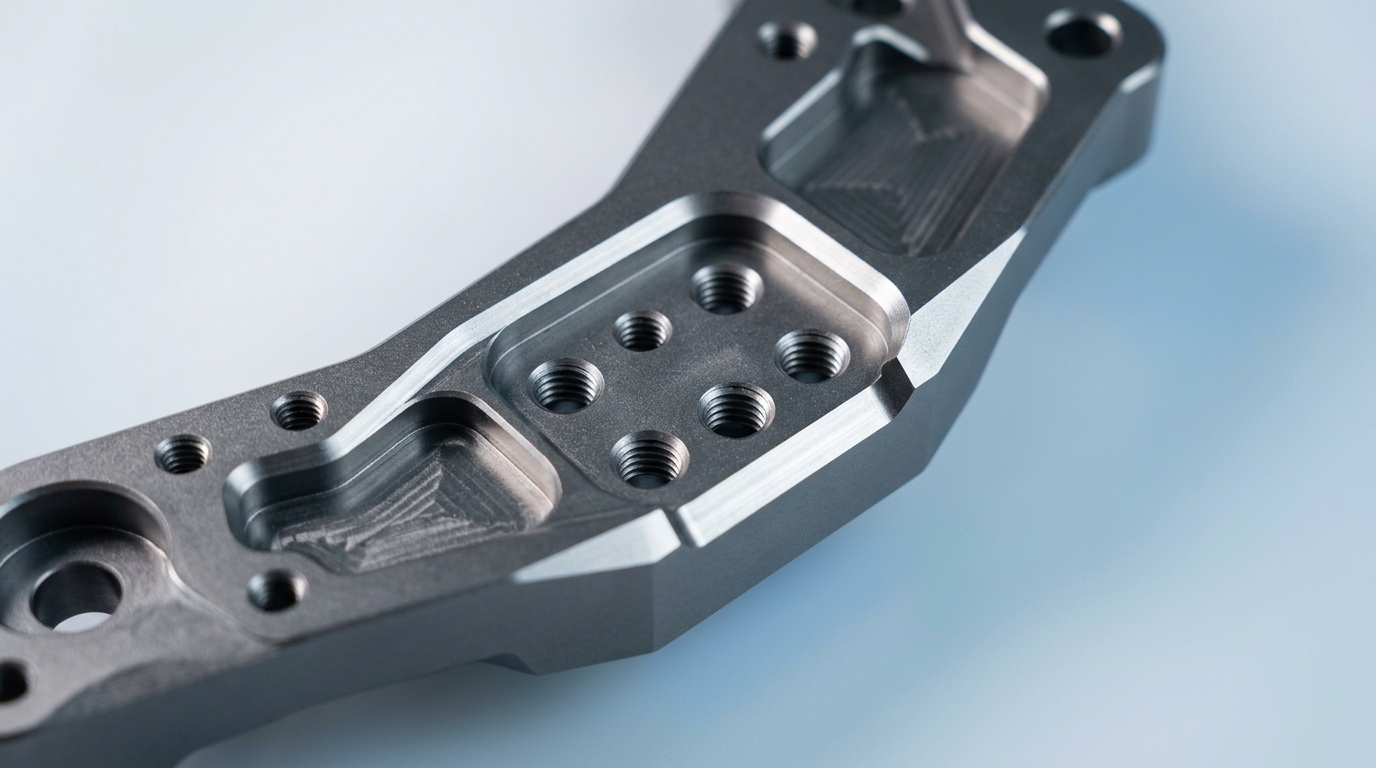
Inspection plans can focus on hole position, flatness, and interface surfaces.
Aluminum components can be prepared for secondary finishing where appearance matters.
Repeat-order control supports pilot production and aftermarket supply.
FAQ
Common questions about CNC machining for this application.
What automotive parts are commonly machined with CNC?
Common automotive CNC parts include EV battery enclosure hardware, brackets, housings, test fixtures, suspension components, and prototype drivetrain details.
Is CNC machining suitable for EV prototype and pilot production parts?
Yes. CNC machining is well suited for EV prototype validation, functional testing, and small repeat batches because it offers speed, dimensional consistency, and material flexibility.
Which materials are often used for automotive CNC machining?
Aluminum 6061 and 7075 are common for lightweight structures, while steel and stainless steel are selected for strength, wear resistance, or harsher service conditions.
Related sectors
Explore the rest of the applications cluster.
Automotive
Need automotive CNC parts on a tight schedule?
Send your CAD files for a fast review of geometry, tolerances, and lead time.