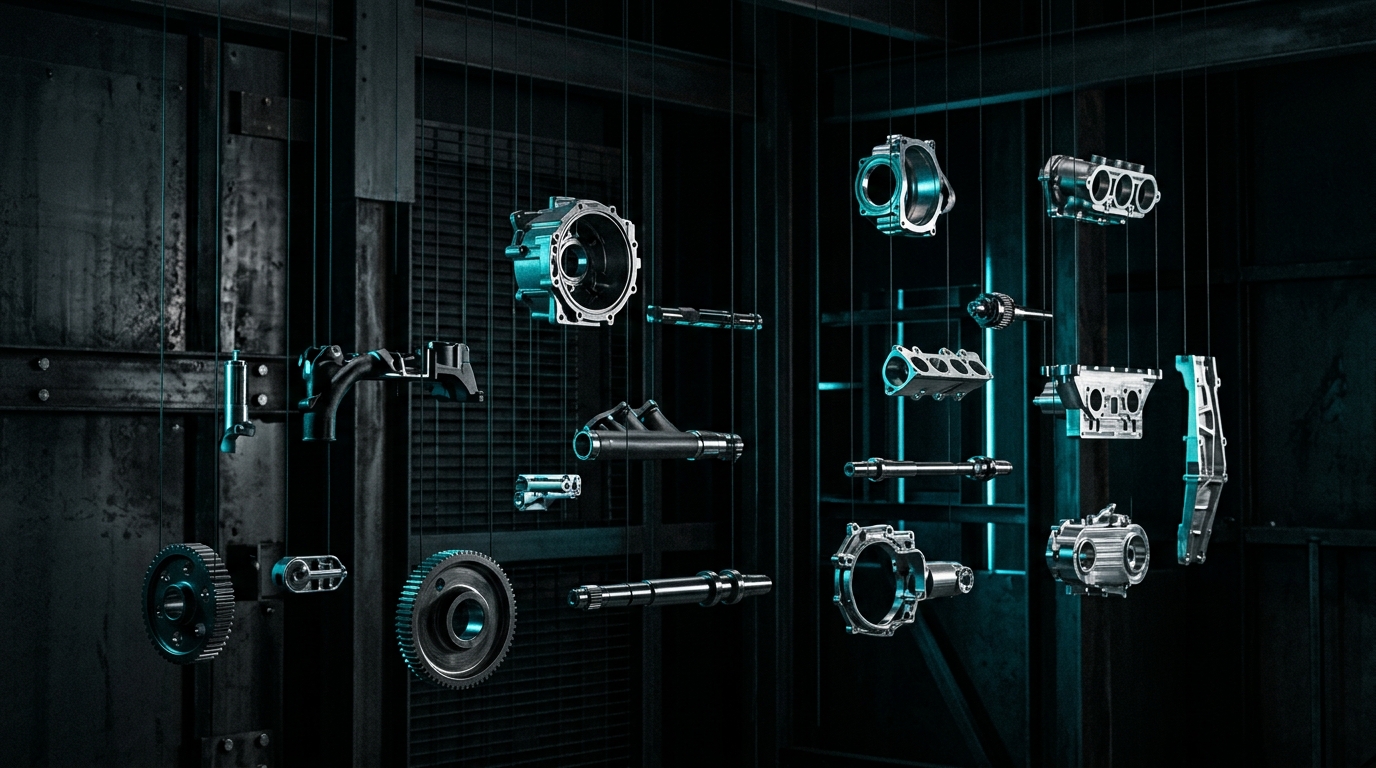
Complex milled geometry
Services
Six CNC service paths built for speed, precision, and scale.
From 5-axis milling and production turning to micro features, prototype urgency, and repeat builds, these service pages help buyers match part geometry with the right manufacturing path.
Each service page goes beyond a simple process label. It explains where the process fits, what buyers usually care about, and how to move from drawings to production with fewer surprises.
Service Stats
6
Service pages
50+
Materials
24h
Quote response
Service Coverage
A stronger service architecture than a generic machine shop menu.
Service pages should do more than list capabilities. They should reduce uncertainty around geometry, tolerances, materials, quantities, and production logic before the RFQ starts.
Rotational part families
Tolerance-critical features
Micro-scale machining detail
Fast development loops
Repeat production planning
Service Cluster
The process pages buyers actually need before they send an RFQ.
Instead of burying process information under one long homepage section, the services cluster creates dedicated destinations for milling, turning, precision work, micro machining, rapid prototypes, and low-volume supply.
01
CNC Milling
CNC Milling
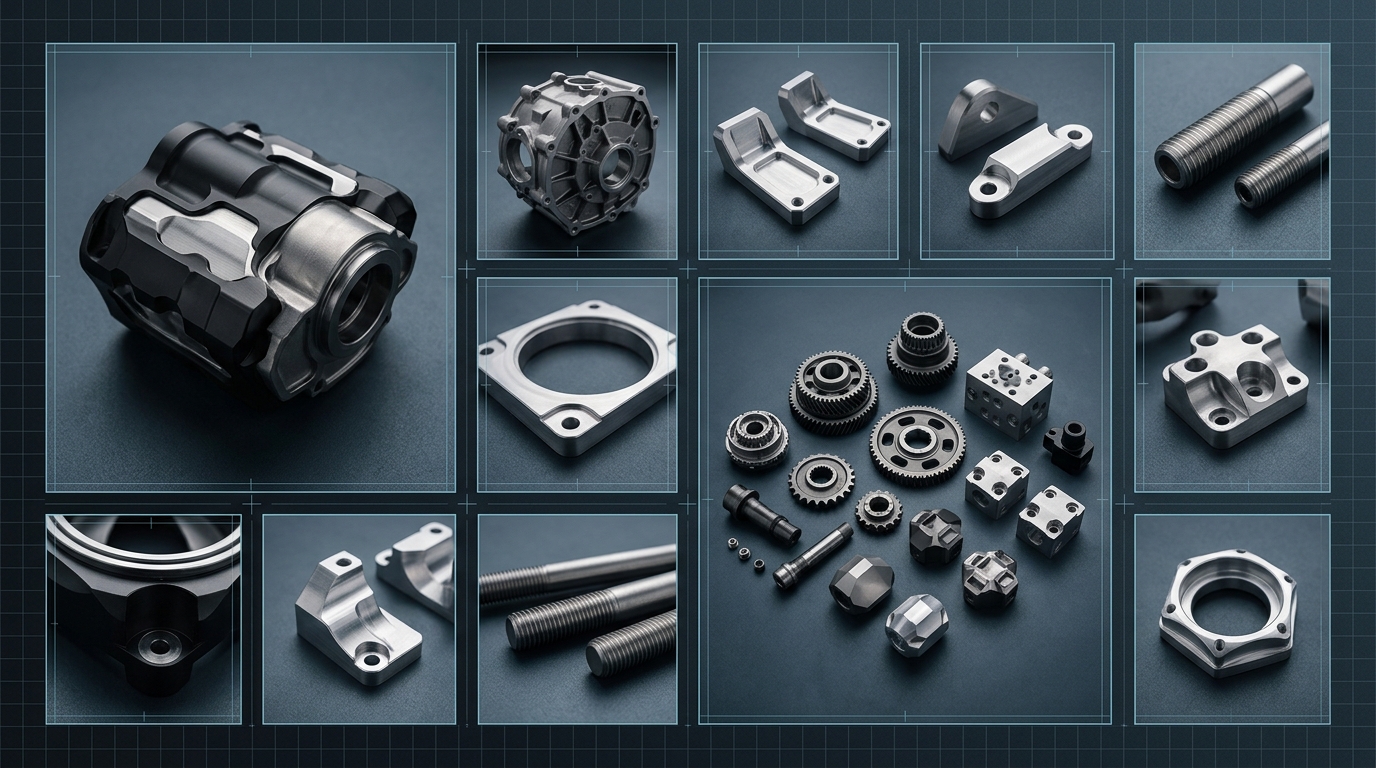
CNC milling for complex metal and plastic part geometry.
Support 3-axis to 5-axis machining for brackets, housings, plates, fixture components, and precision milled details where surface quality and dimensional control both matter.
Best for
Complex prismatic geometry
Appearance-sensitive external surfaces
Engineering revisions before tooling investment
Key capabilities
3-axis, 4-axis, and 5-axis machining paths
Strong control over flatness, pocket depth, and mounting features
Good fit for prototypes, fixtures, and low-volume production
02
CNC Turning
CNC Turning
CNC turning for shafts, bushings, threaded parts, and round components.
Produce rotational parts efficiently with stable diameters, concentric features, threading, grooves, and secondary milled details where needed.
Best for
Round or axial geometry
Repeatable production cycles
Tolerance control on diameters and coaxial features
Key capabilities
Efficient turning for cylindrical and stepped components
Good fit for threads, grooves, and concentric bores
Strong repeatability for scheduled repeat orders
03
Precision Machining
Precision Machining
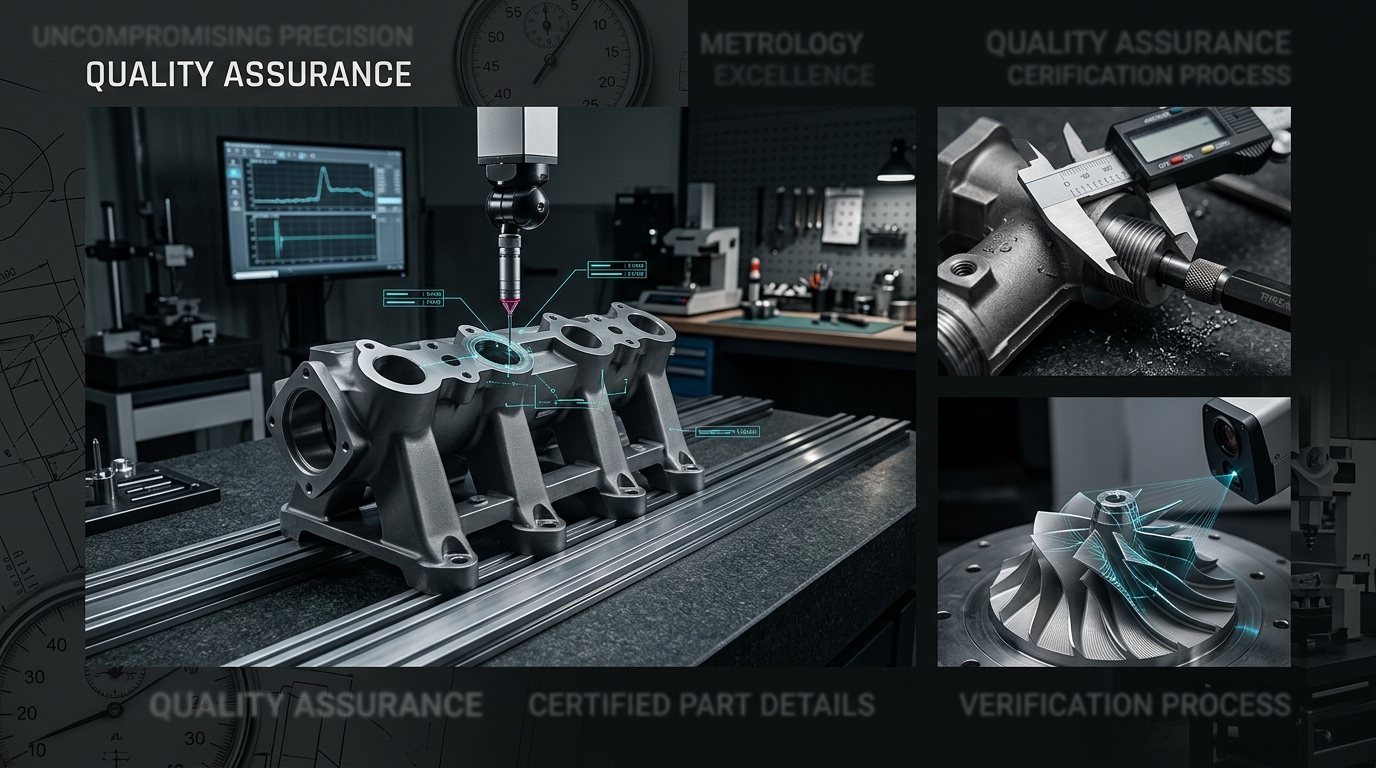
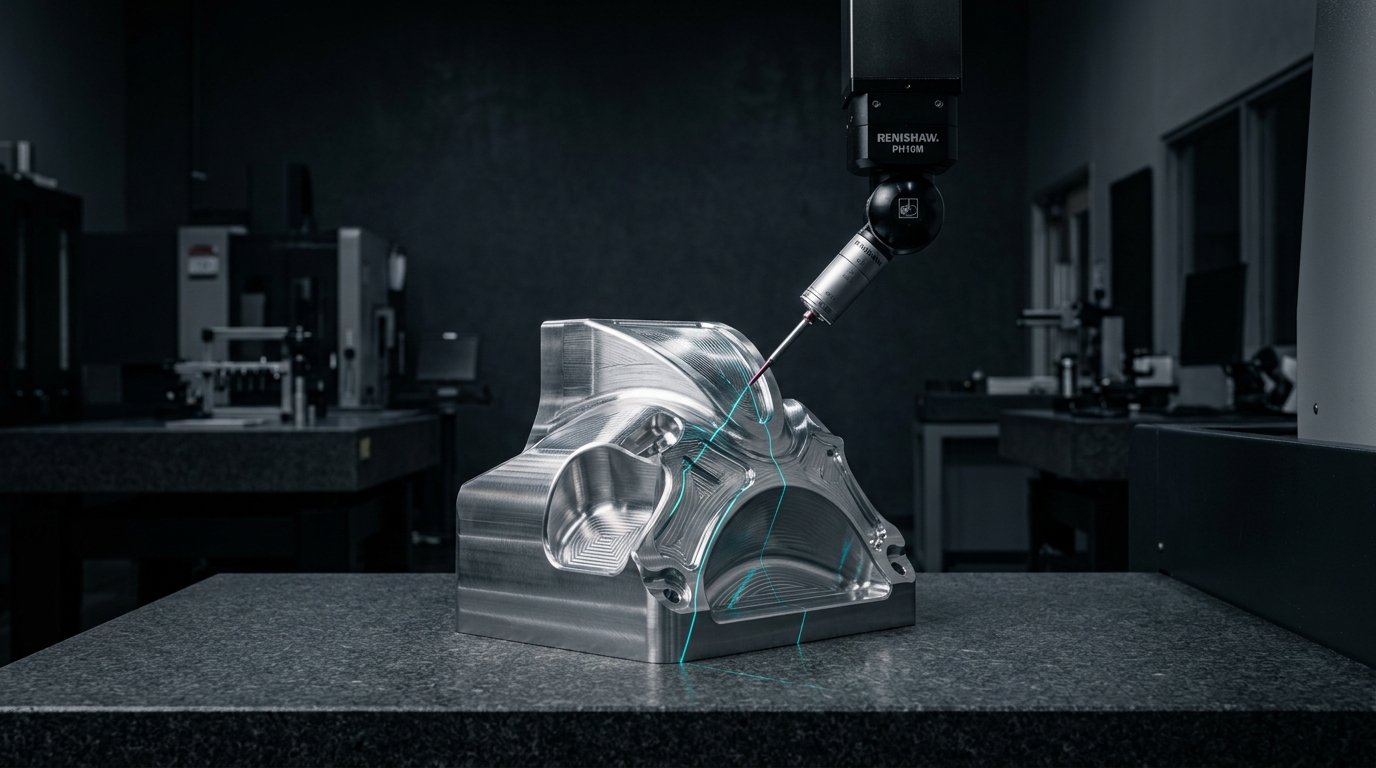
Precision machining for tolerance-critical functional interfaces.
Machine parts that demand closer dimensional control, critical fits, cleaner inspection discipline, and more detailed process planning across metal and plastic components.
Best for
Tolerance-sensitive assemblies
Fit, alignment, and sealing features
Programs where inspection confidence is part of sourcing
Key capabilities
Closer control over critical dimensions and reference features
Process planning that prioritizes feature sequence and inspection
Support for appearance-sensitive and function-sensitive geometry
04
Micro Machining
Micro Machining
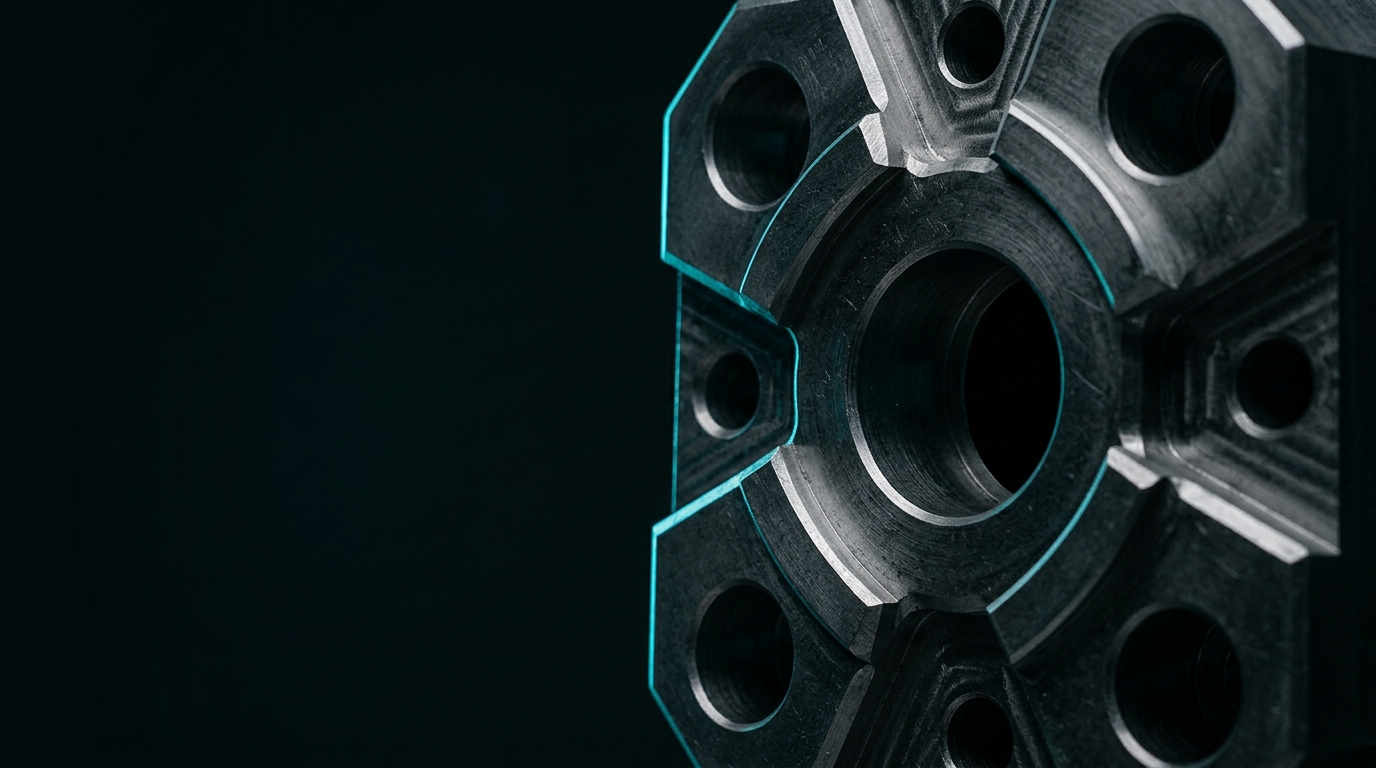
Micro machining for fine features, tiny parts, and difficult detail.
Support miniature part geometry, small channels, fine walls, EDM-driven detail, and specialized machining paths where conventional production strategies may not be enough.
Best for
Miniaturized components
High-detail geometry with limited tool access
Medical, electronics, and micro-mechanical parts
Key capabilities
Support for finer geometry and smaller feature sets
EDM and specialty process paths where standard machining is limiting
Careful planning around fragile geometry and inspection access
05
Rapid Prototyping
Rapid Prototyping
Rapid prototyping for urgent validation and design iteration.
Move quickly from CAD to functional parts for design review, fit checks, engineering tests, stakeholder approval, and pilot-stage validation.
Best for
Fast design loops
Engineering validation before tooling
Teams balancing speed, realism, and manufacturability insight
Key capabilities
Fast turnaround for urgent engineering schedules
CNC-based prototypes that behave closer to final parts than concept models
DFM feedback while geometry is still flexible
06
Low-Volume Production
Low-Volume Production
Low-volume CNC production for bridge builds and repeat supply.
Support recurring batches, bridge production, custom equipment programs, and specialized part families where consistency matters but full-scale mass tooling is unnecessary.
Best for
Repeat supply without hard tooling dependency
Pilot production and custom product launches
Part families that need scheduling discipline and stable quality
Key capabilities
Repeatable machining for batch-based supply
Good fit for bridge production and custom product programs
Production planning without committing too early to mass tooling
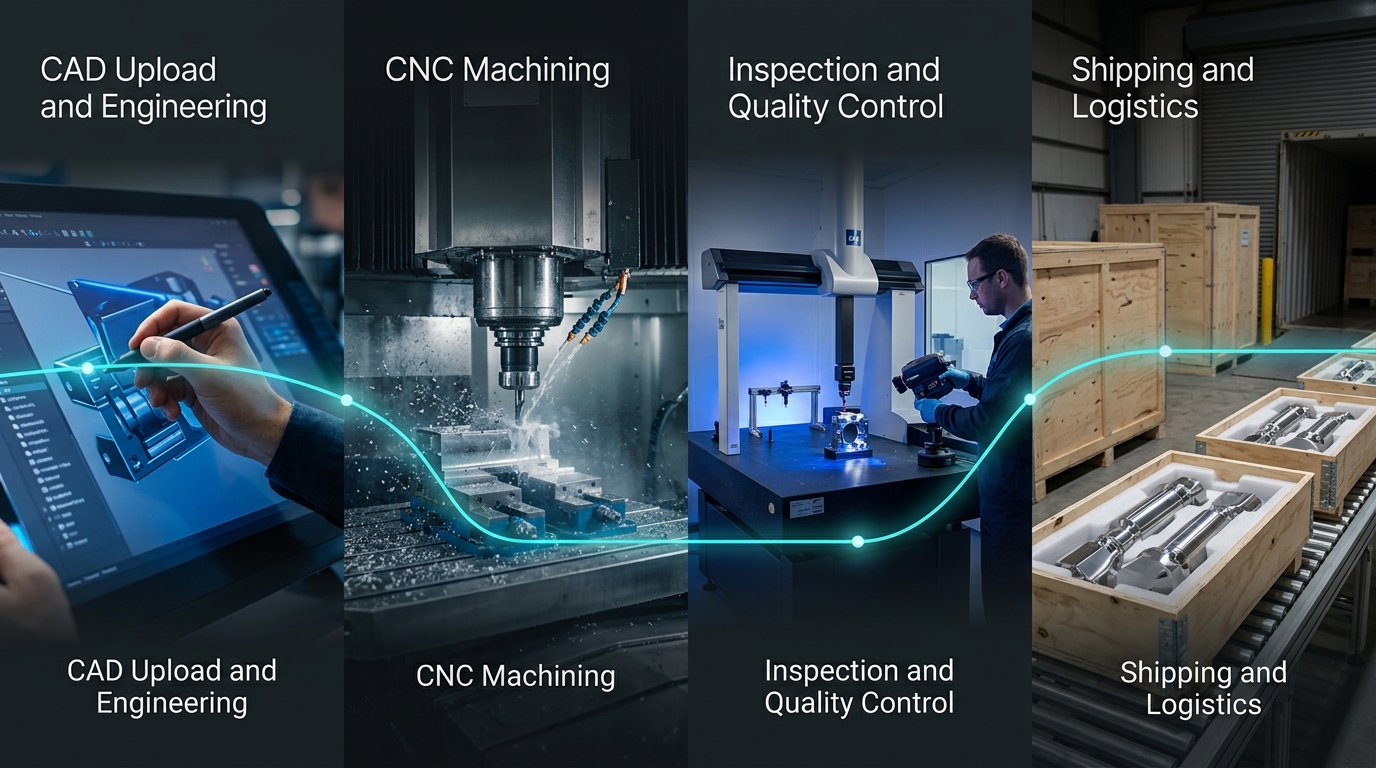
How To Use It
Move from part concept to the right process in four clear steps.
01
Start with the service hub
Review the process families and identify whether your project is driven by geometry, tolerance, speed, or repeat production needs.
02
Open the relevant service page
Compare best-fit part types, materials, checkpoints, and delivery expectations for the process you are considering.
03
Align on manufacturability
Share CAD, revision notes, quantity targets, and finish expectations so engineering can recommend the cleanest path.
04
Move into quoting and production
Use the clarified process route to shorten quoting cycles and reduce avoidable back-and-forth after kickoff.
Why This Works
A better structure for SEO, sourcing clarity, and conversion intent.
Dedicated service pages line up with process-specific search intent like CNC milling service or low-volume CNC production.
Buyers get faster answers around fit, risk, and manufacturability before they contact sales.
Internal links between services and applications build a stronger topical cluster across the site.
Large-format imagery and clearer copy make technical pages feel more premium and easier to scan.
The same CTA language keeps the path to RFQ consistent across all process pages.
French mirror pages preserve a complete multilingual structure for future growth.

Ready To Build
Need help choosing the right CNC service for your parts?
Upload your drawings, quantities, and tolerance notes. We will review the part and recommend the fastest practical process path.