MaterialsStainless Steel
Stainless steel CNC machining for corrosion resistance, strength, and durable components.
When projects involve harsh environments, cleanability, or stronger service conditions, stainless steel becomes a practical CNC option despite slower machining and higher cutting resistance.
Stainless Steel
Corrosion resistance
Strength
Cleanability
Best for
01
Corrosion-resistant parts
02
Medical and industrial components
03
Durable long-life hardware
Key traits
Corrosion resistance
Strength
Cleanability
Stable performance in demanding environments
Machining notes
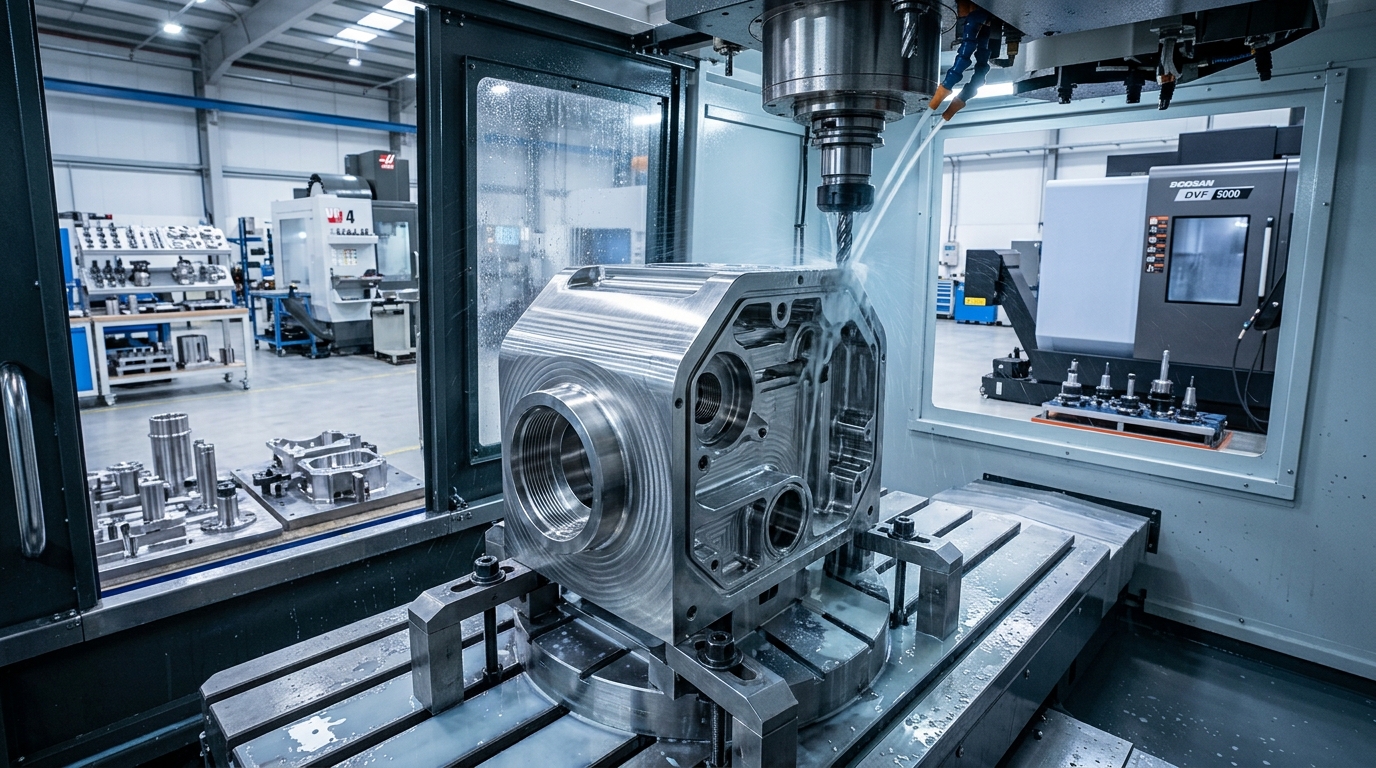
Stainless steel often requires more deliberate tool strategy and heat management than aluminum.
Cycle time and tool wear can be higher, so critical tolerances should be identified early.
Surface finish expectations matter because visible stainless parts often carry a higher quality perception.
Common finishes
PassivationPolishingBrushingBead blasting
Common parts
The part families most often matched to this material.
Medical housings
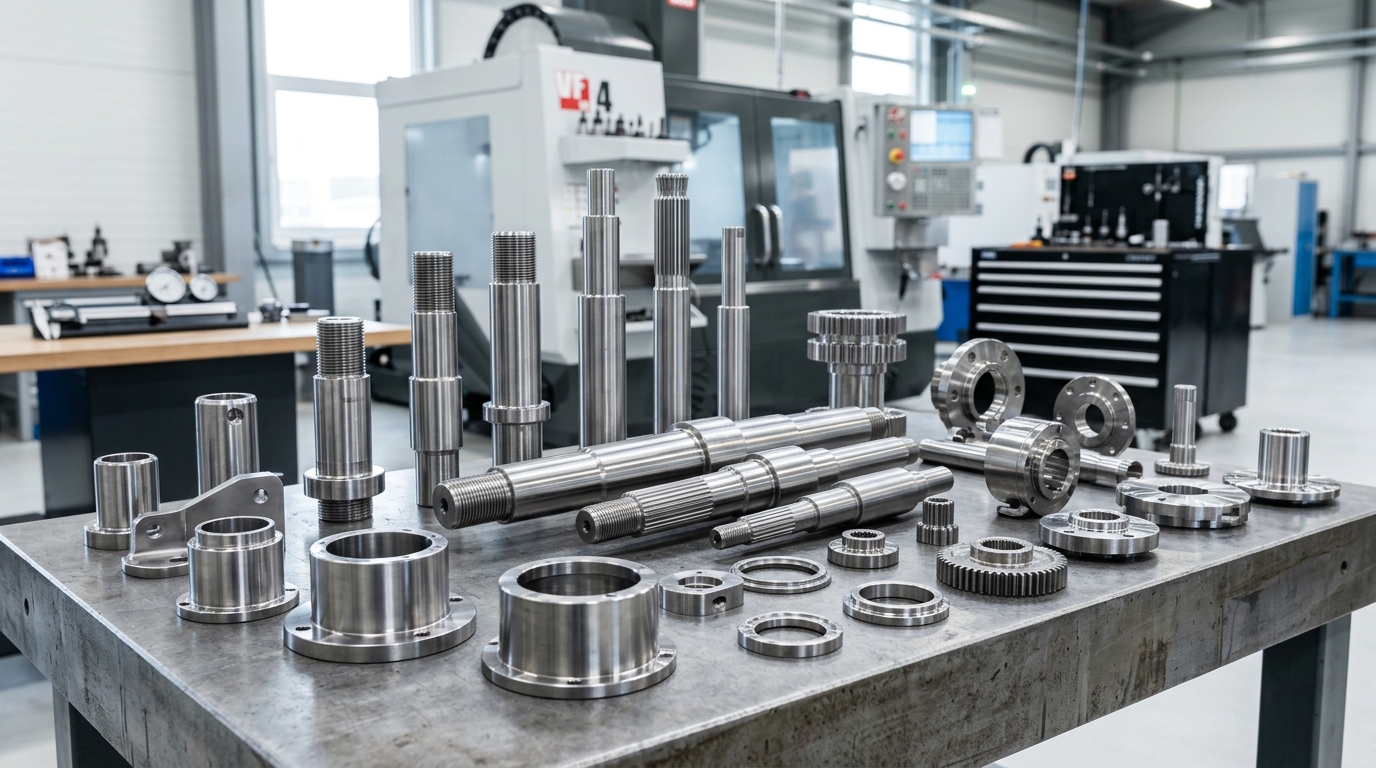
Industrial shafts
Valve components
Food equipment hardware
FAQ
Common questions about this CNC material.
Why choose stainless steel for CNC machining?
Stainless steel is a strong choice when the part needs corrosion resistance, durability, and reliable performance in demanding environments.
Is stainless steel harder to machine than aluminum?
Yes. It generally machines more slowly, creates more tool wear, and benefits from more careful planning than aluminum.
Which stainless grades are common?
303, 304, 316, and 17-4PH are commonly selected depending on machining ease, corrosion requirements, and strength targets.
Stainless Steel
Need stainless steel parts built for corrosion resistance and durability?
Share the part environment and performance needs. We will help you choose the right stainless grade and process approach.