ServicesCNC Milling
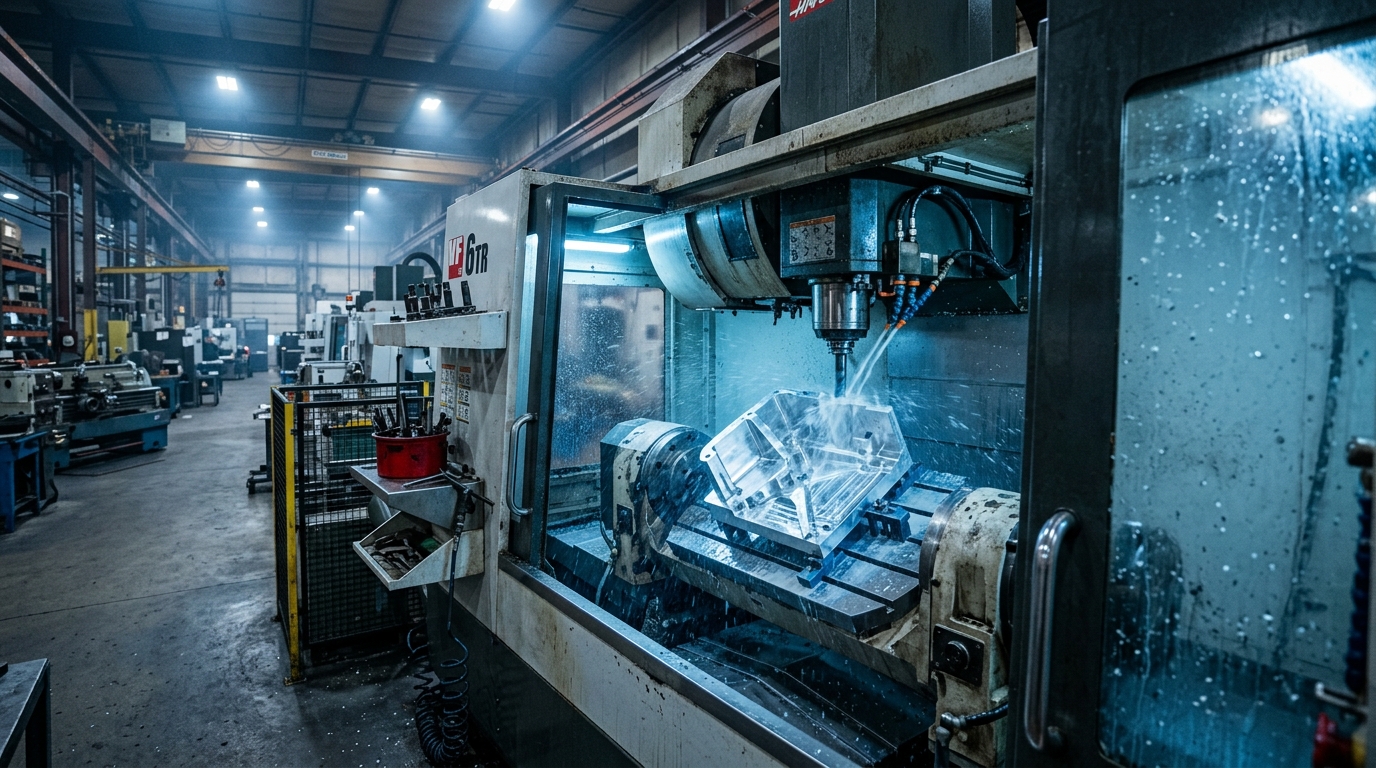
CNC milling for complex metal and plastic part geometry.
CNC milling is often the right path when parts need pockets, faces, contours, and multi-sided geometry that cannot be produced efficiently with turning alone.
CNC Milling
Lead time
As fast as 2 days
Tolerance
Down to +/-0.01 mm
Support
DFM + engineer review
Service Overview
A service page built around real sourcing and engineering decisions.
This page helps product teams understand when the process is the right fit, what risks should be checked, and how geometry, material, and production intent connect together.
Best for
01
Complex prismatic geometry
02
Appearance-sensitive external surfaces
03
Engineering revisions before tooling investment
Where it fits
3-axis parts with flat faces, slots, and hole patterns
4-axis and 5-axis components with multi-sided access
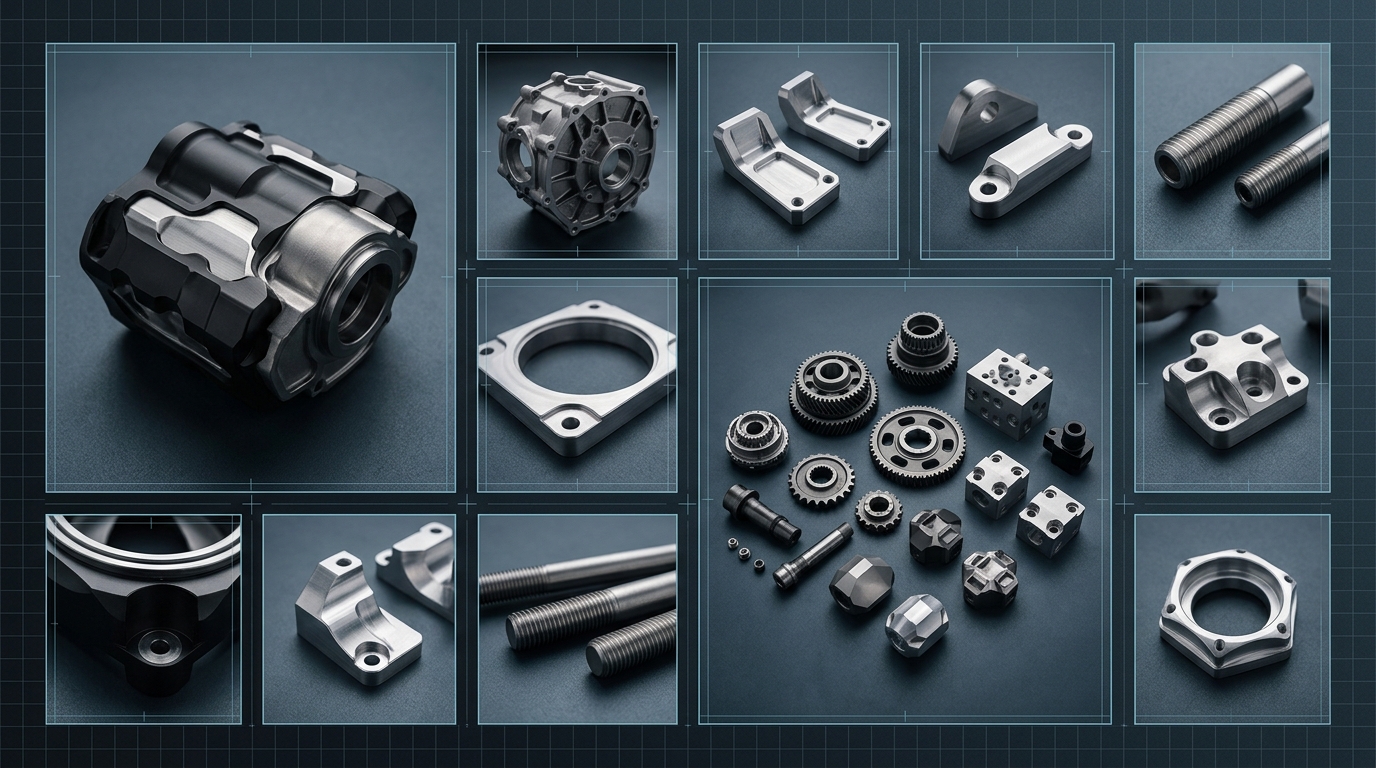
Fixtures, housings, brackets, and structural milled parts
Key capabilities
3-axis, 4-axis, and 5-axis machining paths
Strong control over flatness, pocket depth, and mounting features
Good fit for prototypes, fixtures, and low-volume production
Common materials
Aluminum 6061Aluminum 7075Stainless steelBrassPOMPEEK
What to verify
What buyers and engineers should validate before release.
Critical datums, hole locations, and mating surfaces
Tool access around deep pockets and corner radii
Finish requirements for visible faces and sealing surfaces
What we prepare
What this service helps prepare for the next production step.
Machined parts ready for assembly or finishing
DFM feedback on wall thickness, corner radii, and access
Inspection focus for key interfaces and repeat geometry
FAQ
Common questions about this CNC service.
What kinds of parts are best suited to CNC milling?
CNC milling is ideal for housings, brackets, plates, fixture blocks, covers, and components with pockets, contours, and multi-face features.
Can CNC milling support both prototypes and production parts?
Yes. CNC milling is commonly used for prototypes, pilot builds, and low-volume production when geometry needs to stay flexible and tooling investment is not yet justified.
Which materials are commonly milled?
Aluminum alloys, stainless steel, brass, POM, and engineering plastics like PEEK are all common choices depending on load, weight, and finish requirements.
CNC Milling
Need milled parts with complex geometry and clean surfaces?
Send your CAD files and we will review feature access, tolerance risk, and the most efficient milling path for your design.