Metal and plastic coverage
Materials
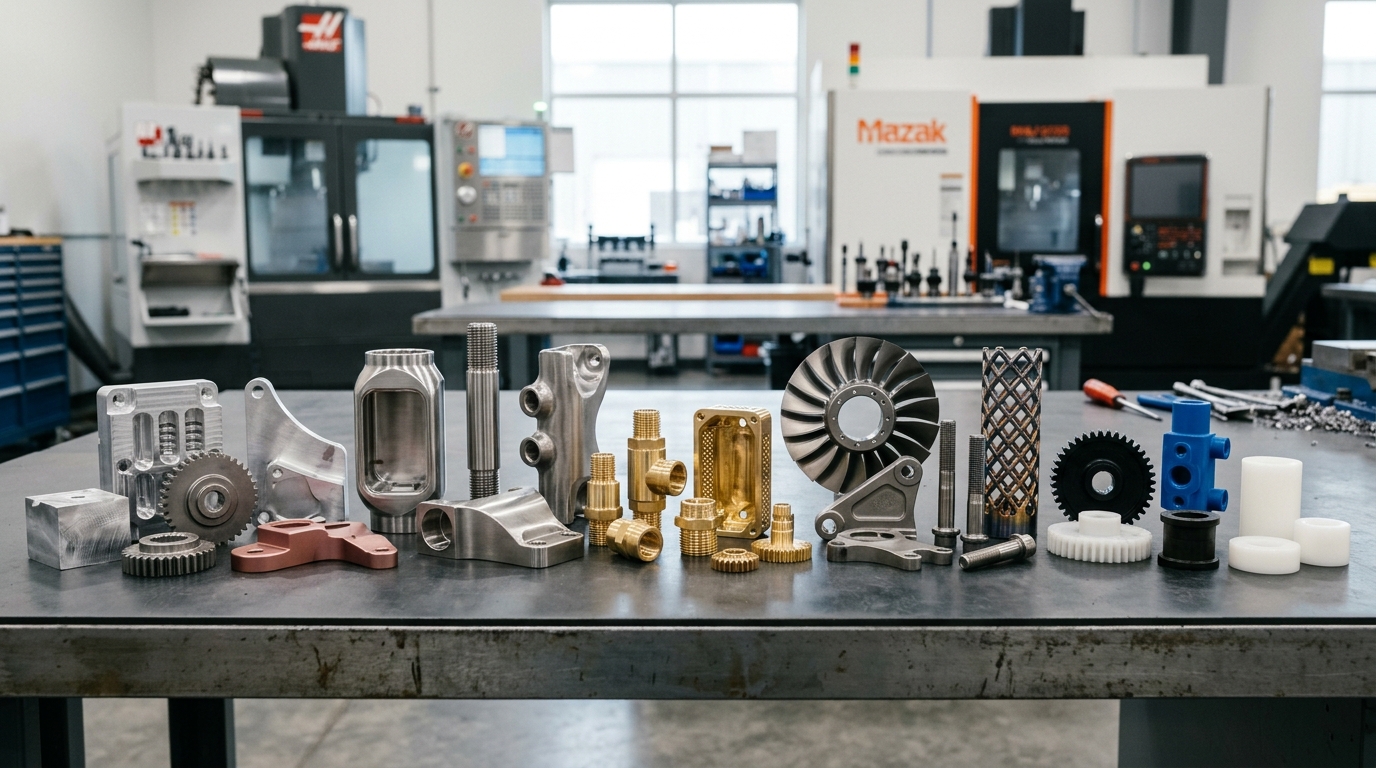
Engineering materials selected for function, finish, and manufacturability.
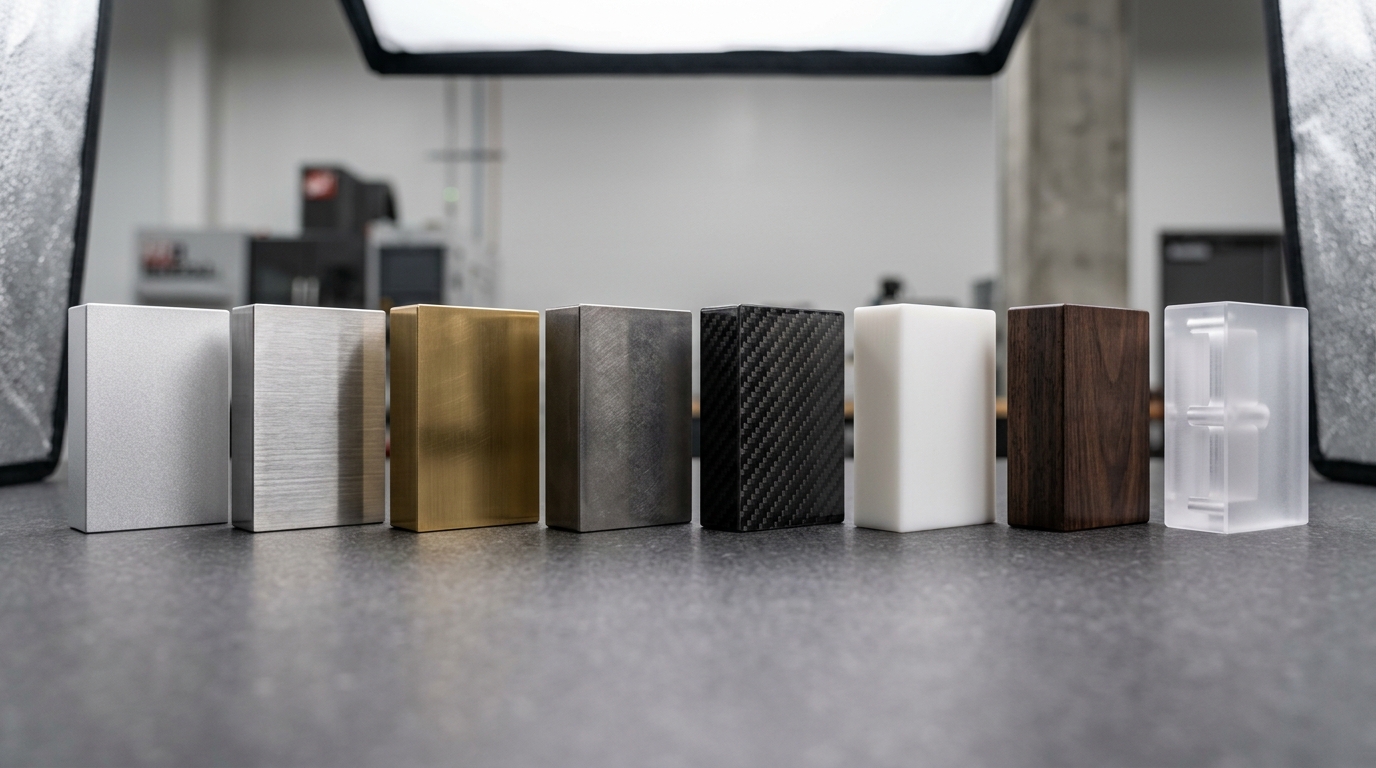
From lightweight aluminum and corrosion-resistant stainless steel to PEEK and production plastics, these material pages help buyers compare what each option does best before they commit to a quote.
Instead of listing material names in one block, this cluster explains where each material fits, what machining teams should watch, and how finish, cost, and performance interact.
Material Stats
6
Core pages
2
Metal + plastic
24h
Material review
Material Coverage
A materials library that answers more than 'can you machine this?'
Material selection drives performance, appearance, cost, tolerance strategy, and post-processing. These pages are built to help sourcing teams make cleaner decisions earlier.
Finish-aware selection
Tolerance and stability fit
Machining behavior context
Application-specific guidance
Quote-ready selection support
Material Cluster
The material pages buyers need when performance matters as much as process.
Each material page is structured around what teams actually evaluate: weight, corrosion resistance, strength, cosmetic finish, machining behavior, and commercial fit.
01
Aluminum
Aluminum
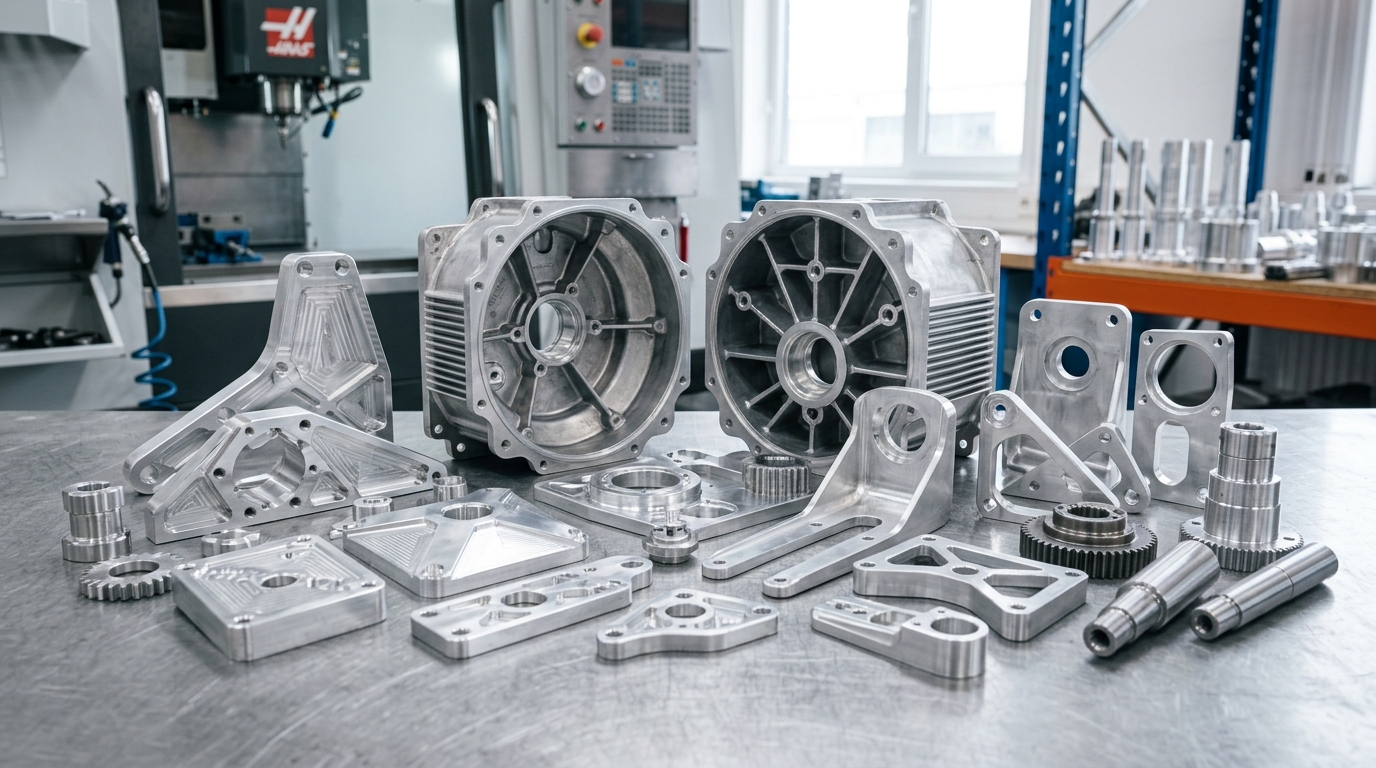
Aluminum CNC machining for lightweight parts, housings, and structural components.
Aluminum is one of the most widely used CNC materials because it balances weight, machinability, cost, and surface finish potential across prototype and production programs.
Best for
Lightweight hardware
Cosmetic metal parts
Rapid iterations with good machinability
Key traits
Lightweight
Good corrosion resistance
Excellent machinability
Strong finish compatibility
02
Stainless Steel
Stainless Steel
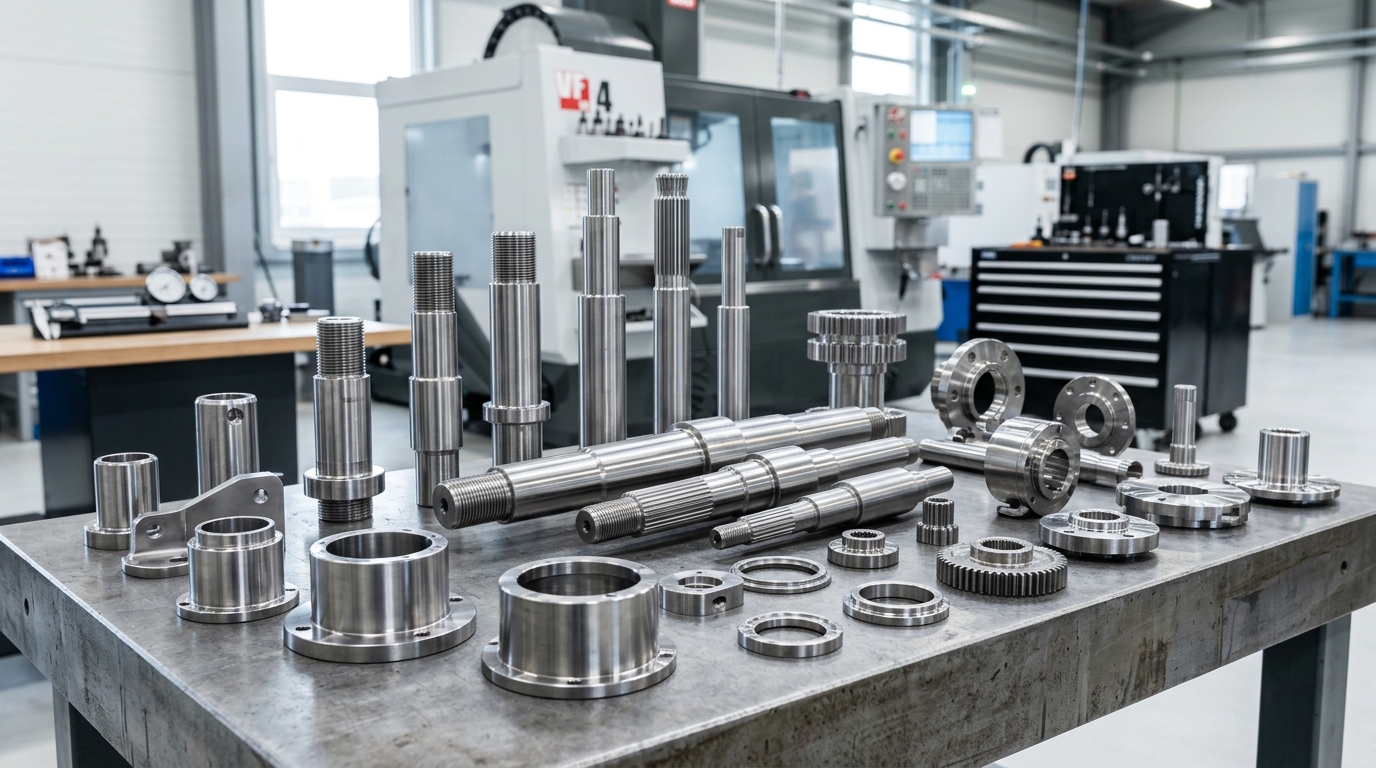
Stainless steel CNC machining for corrosion resistance, strength, and durable components.
Stainless steel is often chosen when parts need better corrosion resistance, long-term durability, and a more robust mechanical profile than standard aluminum or mild steel.
Best for
Corrosion-resistant parts
Medical and industrial components
Durable long-life hardware
Key traits
Corrosion resistance
Strength
Cleanability
Stable performance in demanding environments
03
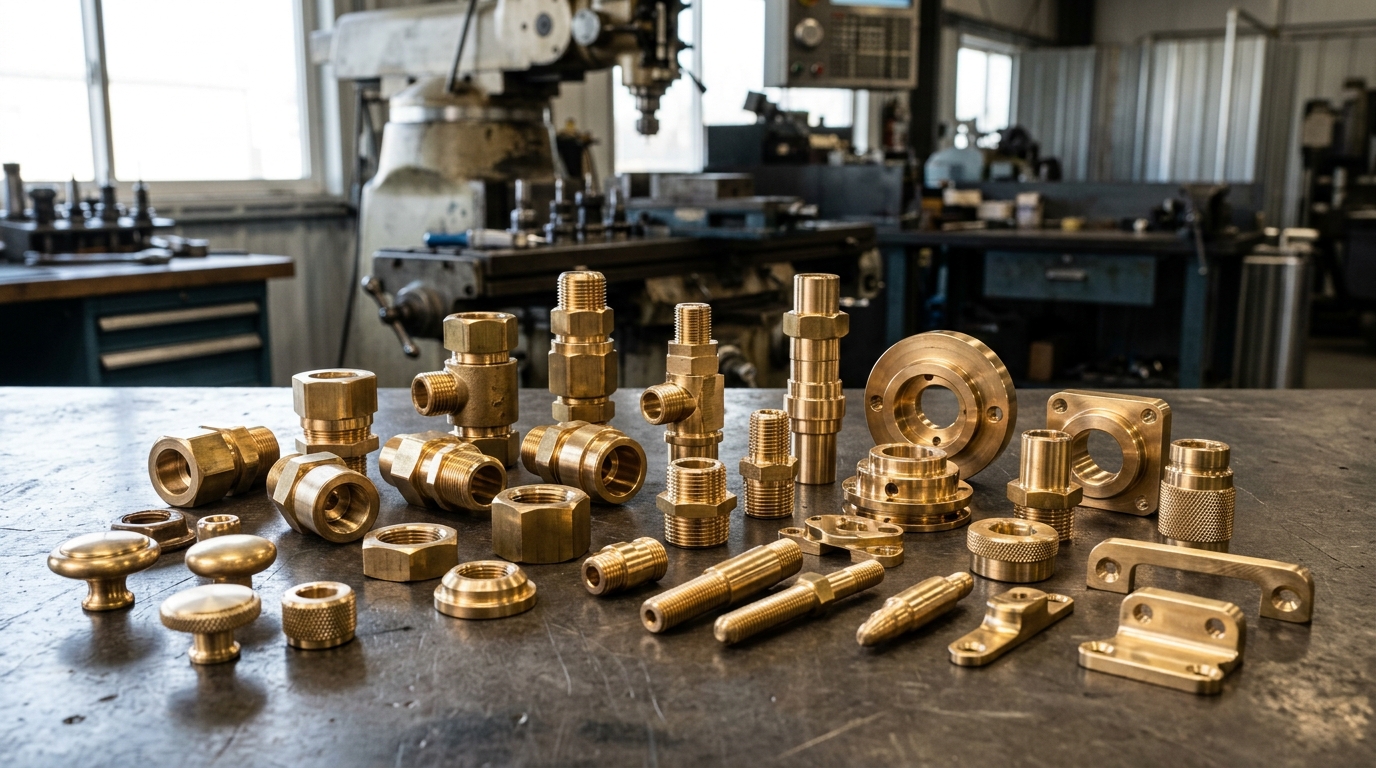
Brass
Brass
Brass CNC machining for precision fittings, electrical parts, and clean finish detail.
Brass is valued for its machinability, dimensional consistency, and polished appearance, making it a strong fit for fittings, connectors, and smaller precision components.
Best for
Precision fittings
Decorative machined parts
Electrical and connector hardware
Key traits
Excellent machinability
Good dimensional stability
Warm metallic appearance
Useful electrical properties
04
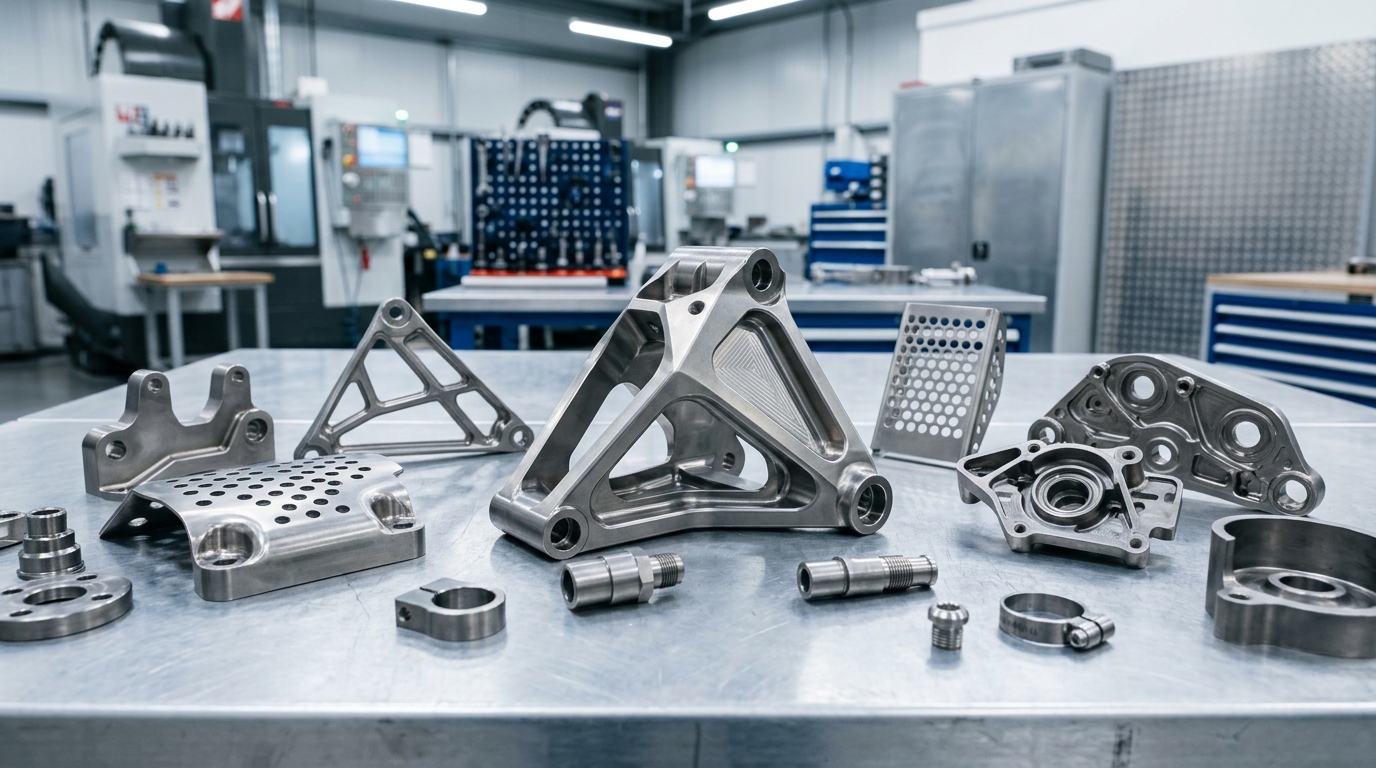
Titanium
Titanium
Titanium CNC machining for high strength, low weight, and demanding applications.
Titanium is selected when projects need an elevated strength-to-weight ratio, corrosion resistance, and premium mechanical performance in sectors like aerospace and medical development.
Best for
Aerospace parts
Medical development hardware
High-performance lightweight components
Key traits
High strength-to-weight ratio
Corrosion resistance
Premium performance
Good for specialized applications
05
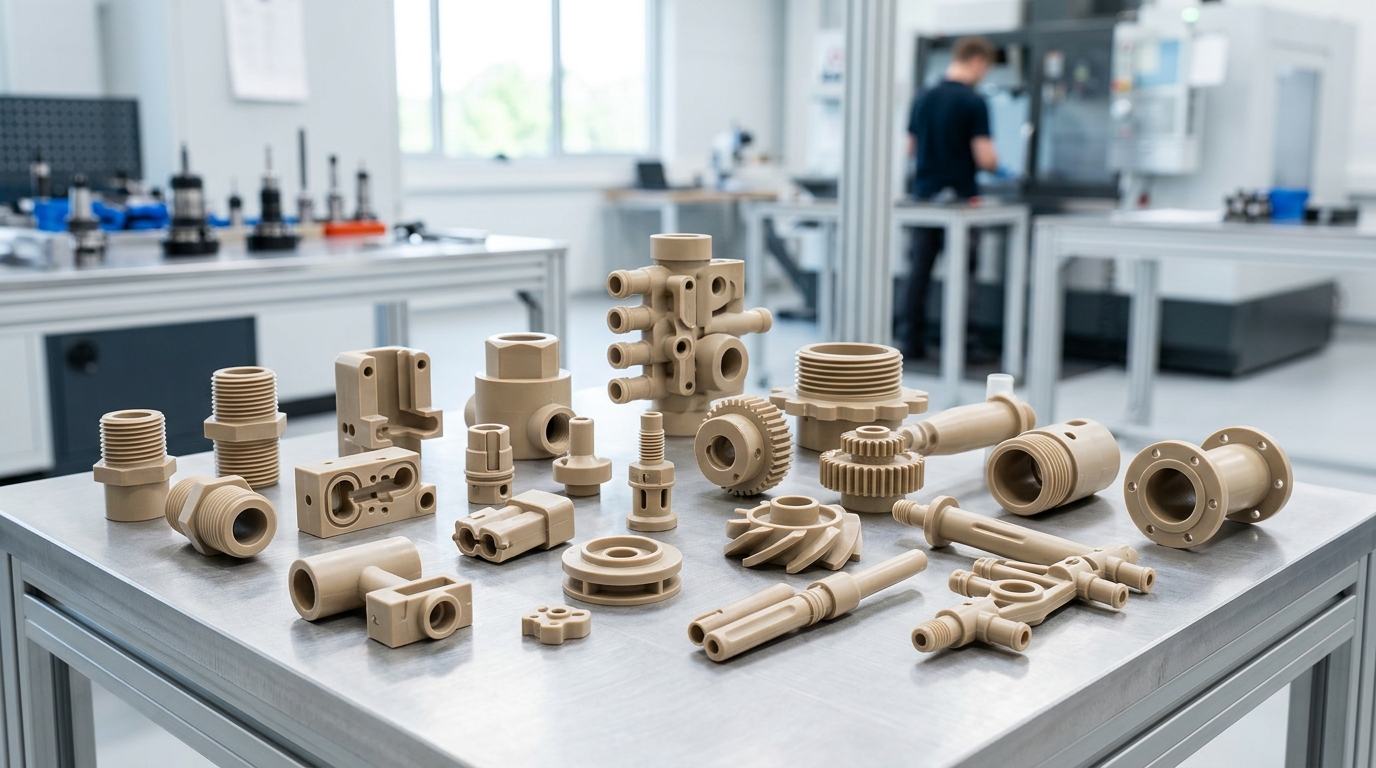
PEEK
PEEK
PEEK machining for high-performance plastic parts and demanding environments.
PEEK is a premium engineering plastic used when projects need excellent temperature stability, chemical resistance, and strong mechanical behavior without switching to metal.
Best for
High-performance plastic components
Medical and lab hardware
Chemically demanding environments
Key traits
High temperature resistance
Chemical resistance
Strong engineering plastic performance
Lightweight alternative to some metals
06
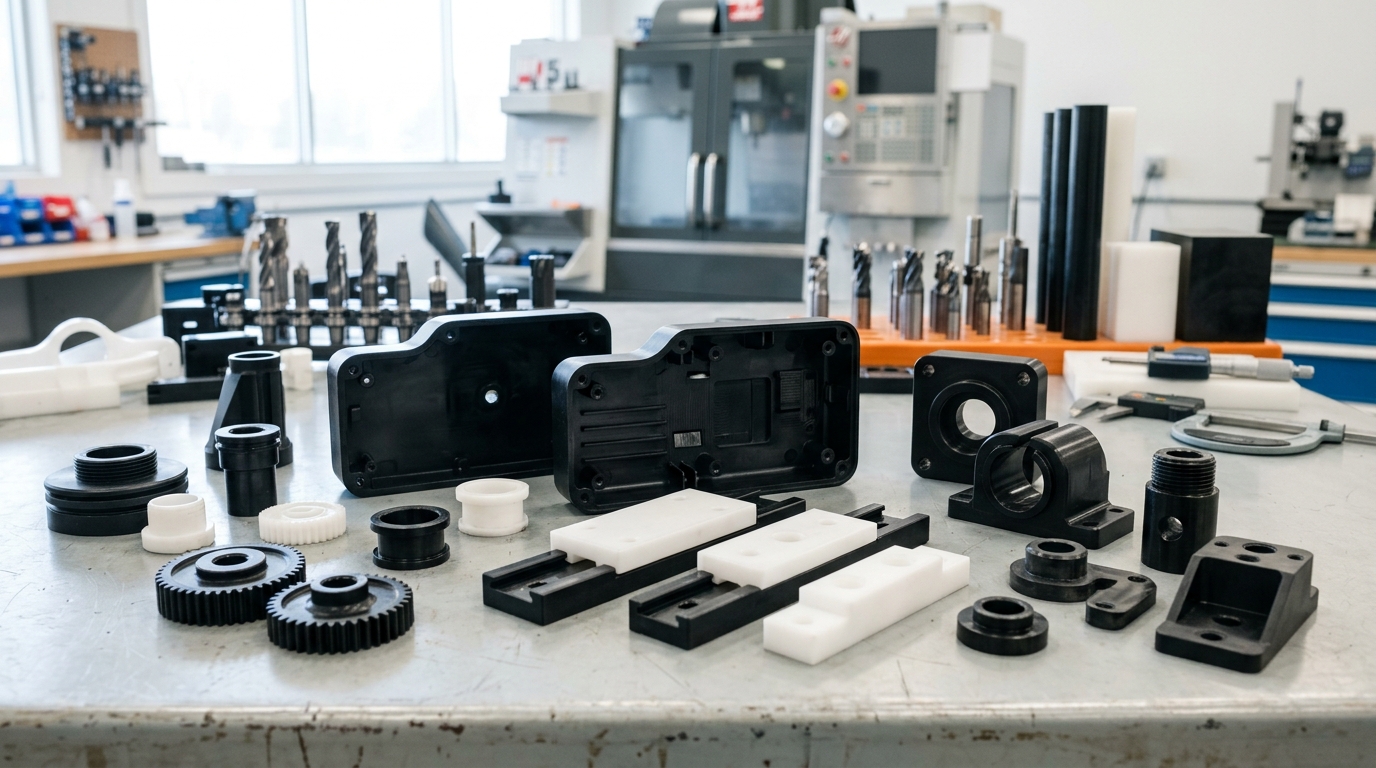
ABS and Delrin
ABS and Delrin
ABS and Delrin machining for prototype plastics and functional production parts.
ABS and Delrin cover two common but different plastic use cases: ABS for versatile prototype and housing work, and Delrin for low-friction, dimensionally stable functional components.
Best for
Prototype enclosures
Functional plastic mechanisms
General engineering plastic components
Key traits
Lower weight than metal
Good practical machinability
Useful for prototypes and mechanisms
Cost-effective versus premium polymers
Why This Works
A better path for SEO, technical trust, and higher-quality RFQs.
Material-specific pages match real search intent such as aluminum CNC machining or PEEK machining service.
Buyers can compare performance and manufacturability before starting a quote conversation.
These pages improve internal linking across services, applications, and future finishing content.
Clearer material guidance helps reduce weak RFQs based on the wrong stock choice.
The same CTA structure keeps conversion paths consistent across the full site.
French mirrors preserve a multilingual cluster structure for future expansion.

Ready To Choose
Need help selecting the right material for your CNC parts?
Send your drawings, application notes, quantity targets, and finish expectations. We will help you choose the right material before production starts.