ApplicationsMedical
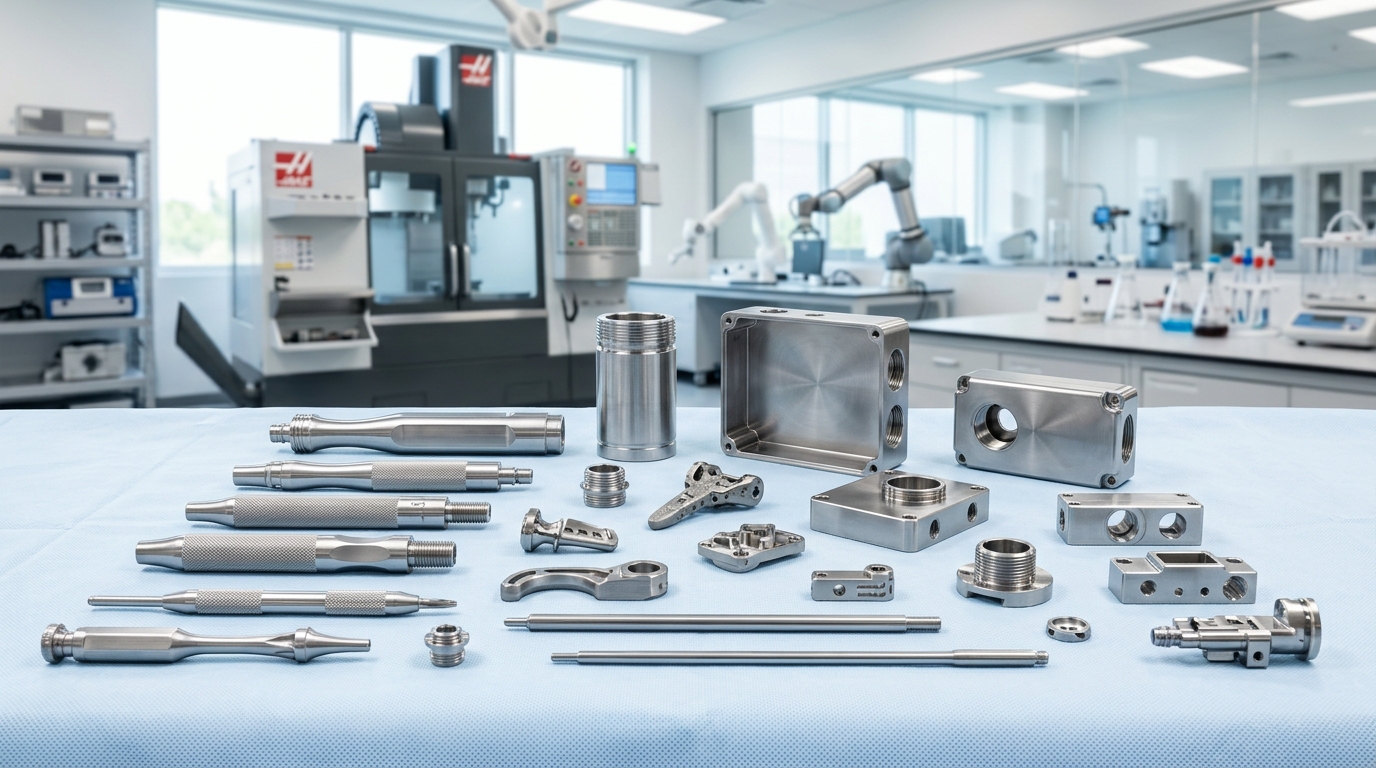
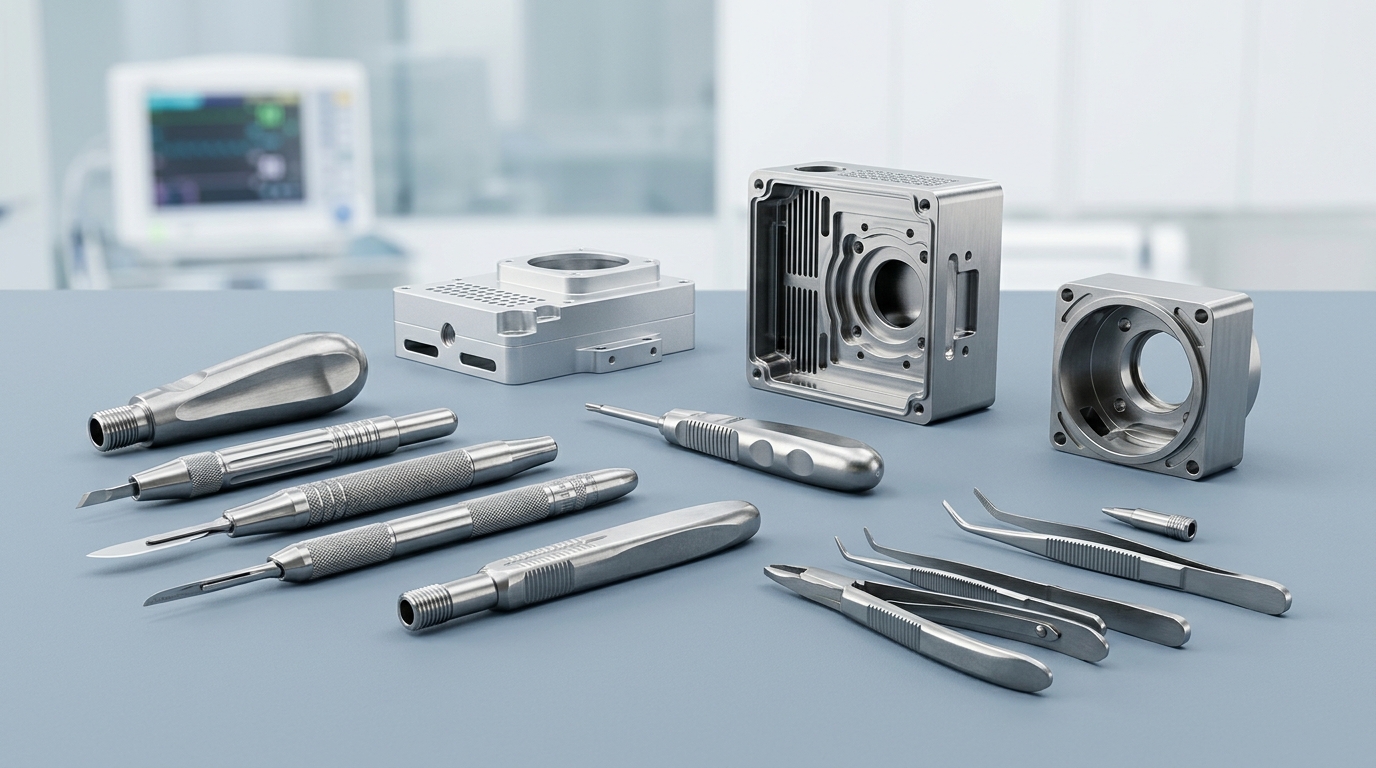
Medical CNC machining for housings and instruments.
Medical and lab programs often rely on low-volume parts that still need an elevated finish standard. The challenge is balancing clean detail, material suitability, and repeatability.
Medical
Lead time
As fast as 2 days
Tolerance
Down to +/-0.01 mm
Support
DFM + engineer review
Industry overview
A stronger landing page for real manufacturing buyers.
This page is designed to do more than summarize capabilities. It helps sourcing teams, engineers, and project managers evaluate part fit, materials, quality expectations, and manufacturability with more confidence.
Buyer priorities
What teams usually need to validate before requesting a quote.
01
Clean finishes for visible equipment components
02
Accurate machining for compact assemblies and small details
03
Material guidance for stainless steel and engineering plastics
Typical applications
Diagnostic device housings
Surgical instrument handles
Lab automation hardware
Medical-grade plastic components
Key capabilities
Fine-detail machining for compact parts and channels
Surface-conscious production for visible equipment parts
Support for stainless steel and engineering plastics
Ideal for pilot runs and product development stages
Common materials
Stainless steel 316AluminumPEEKDelrin
Why CNC works here
CNC machining handles design revisions well during device development.
Tight-feature accuracy supports compact equipment assemblies.
Finishing flexibility improves the presentation of visible medical hardware.
Part families
The component categories most often sourced in this sector.
Diagnostic and monitoring device housings
Lab automation hardware and mechanical interfaces
Instrument handles, carriers, and support structures
Precision plastic components for internal device assemblies
Quality and execution
How we approach precision, review, and manufacturability for this application.
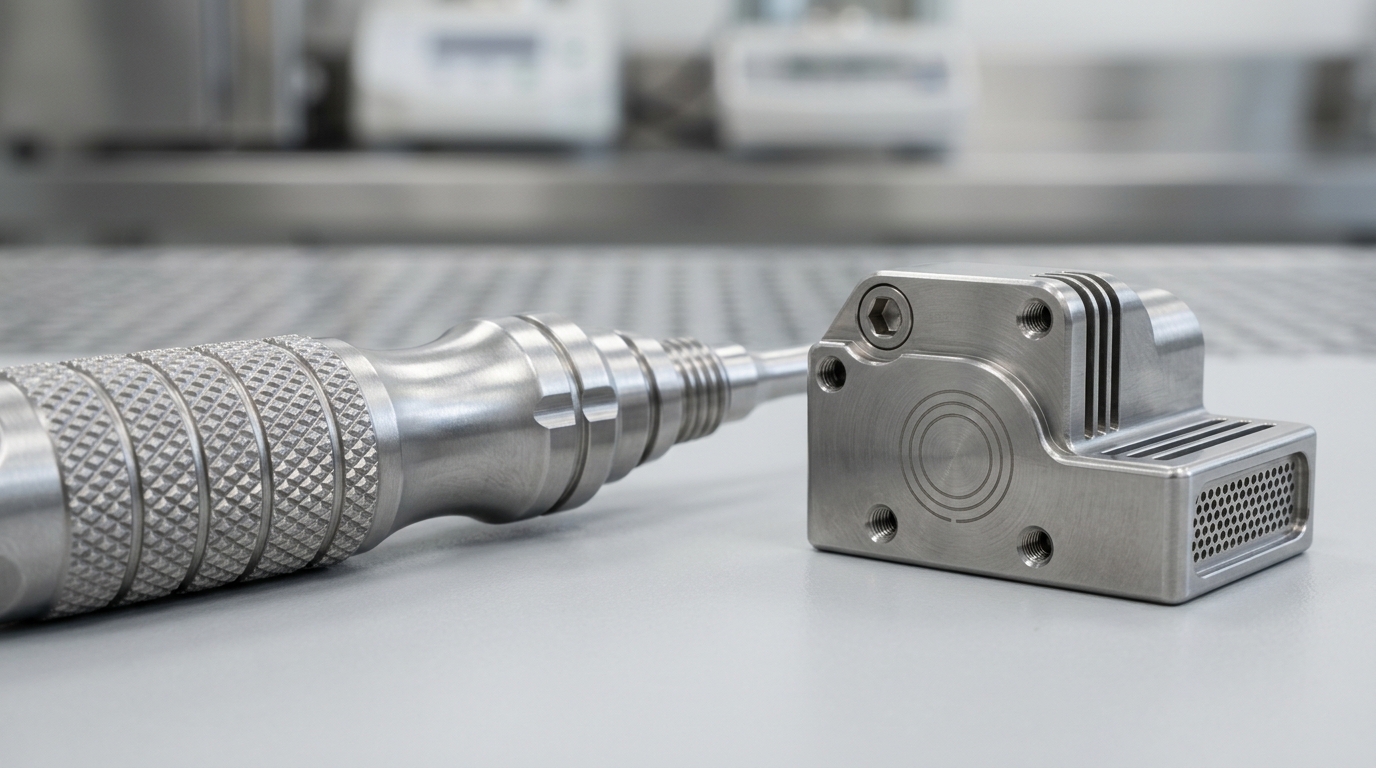
Medical development work often emphasizes consistency on small features, surfaces, and assembly interfaces.
Engineering review can help balance finish, function, and manufacturability in low-volume medical builds.
CNC machining is useful when teams need prototype and pilot parts without hard tooling delays.
FAQ
Common questions about CNC machining for this application.
What medical parts are commonly produced with CNC machining?
Typical medical CNC parts include device housings, lab automation hardware, surgical instrument handles, mounting structures, and precision plastic components.
Is CNC machining suitable for medical device prototyping?
Yes. CNC machining is widely used for medical device prototyping because it offers fast iteration, good finish quality, and support for metals and engineering plastics.
Which materials are common in medical CNC machining?
Common materials include stainless steel, aluminum, PEEK, and Delrin, depending on strength, weight, finish, and application requirements.
Related sectors
Explore the rest of the applications cluster.
Medical
Sourcing parts for medical devices or lab systems?
Upload your files to review materials, finishes, and tolerance-sensitive features.