ApplicationsRobotics
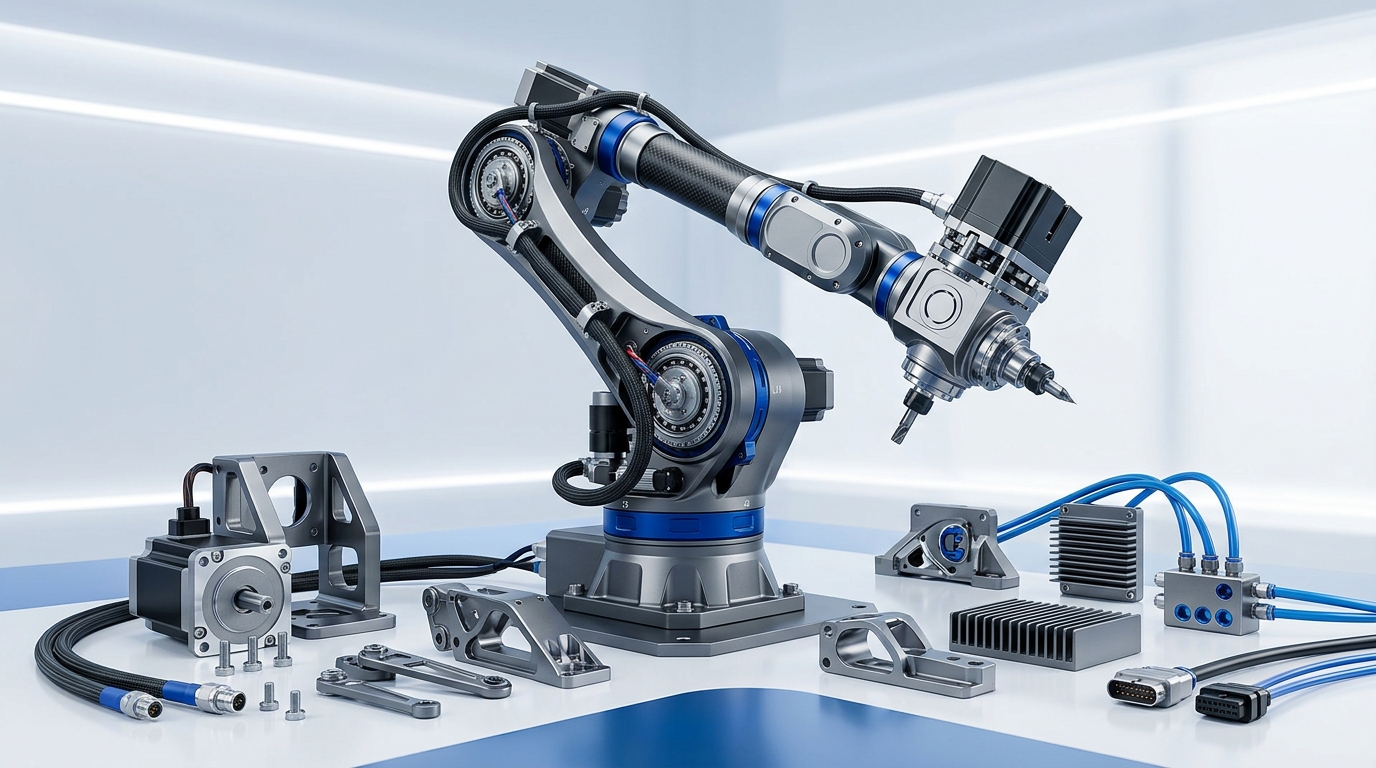
Robotics CNC machining for motion systems and end-effectors.
Robotics and new energy hardware depend on precision in motion-critical interfaces. This page highlights parts that must align, repeat, and integrate cleanly inside advanced assemblies.
Robotics
Lead time
As fast as 2 days
Tolerance
Down to +/-0.01 mm
Support
DFM + engineer review
Industry overview
A stronger landing page for real manufacturing buyers.
This page is designed to do more than summarize capabilities. It helps sourcing teams, engineers, and project managers evaluate part fit, materials, quality expectations, and manufacturability with more confidence.
Buyer priorities
What teams usually need to validate before requesting a quote.
01
Precision on motion-critical interfaces and mounting patterns
02
Fast iteration for rapidly evolving designs
03
Weight, strength, and finish balance across advanced assemblies
Typical applications
Robot arm structural parts
End-effector components
Motor brackets and housings
Battery and charging system hardware
Key capabilities
Precision fit for dynamic assemblies and mounting points
Fast iteration during R&D and functional prototyping
Clean machining for lightweight and compact components
Reliable support for small-batch production transitions
Common materials
Aluminum 6061Aluminum 7075Stainless steelPOM
Why CNC works here
Motion systems need accurate interfaces to maintain performance.
Prototype speed matters in fast-evolving robotics programs.
Material flexibility supports strength, weight, and appearance targets.
Part families
The component categories most often sourced in this sector.
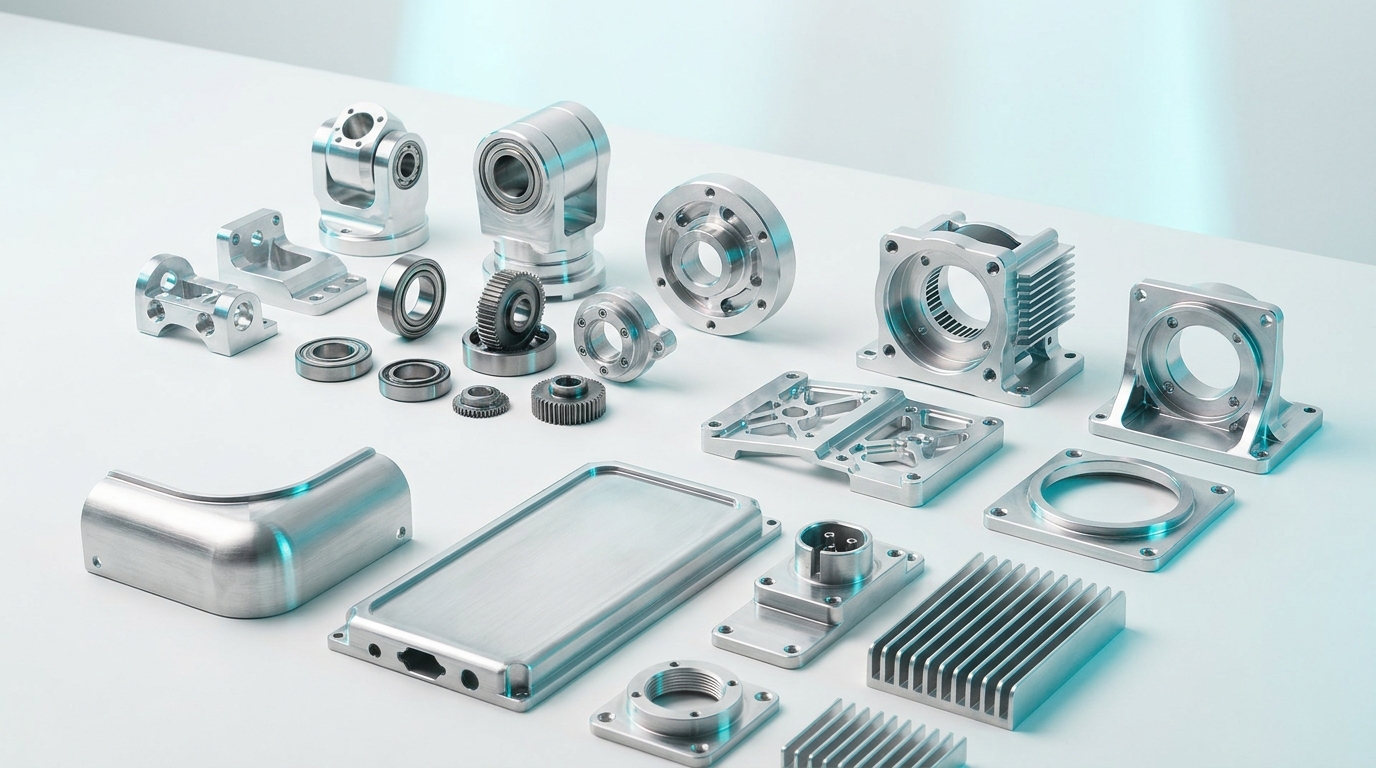
Robot arm links, joints, and structural housings
End-effector hardware and mounting interfaces
Motor brackets, gearbox housings, and drive-support parts
Battery, charging, and clean-energy enclosure components
Quality and execution
How we approach precision, review, and manufacturability for this application.
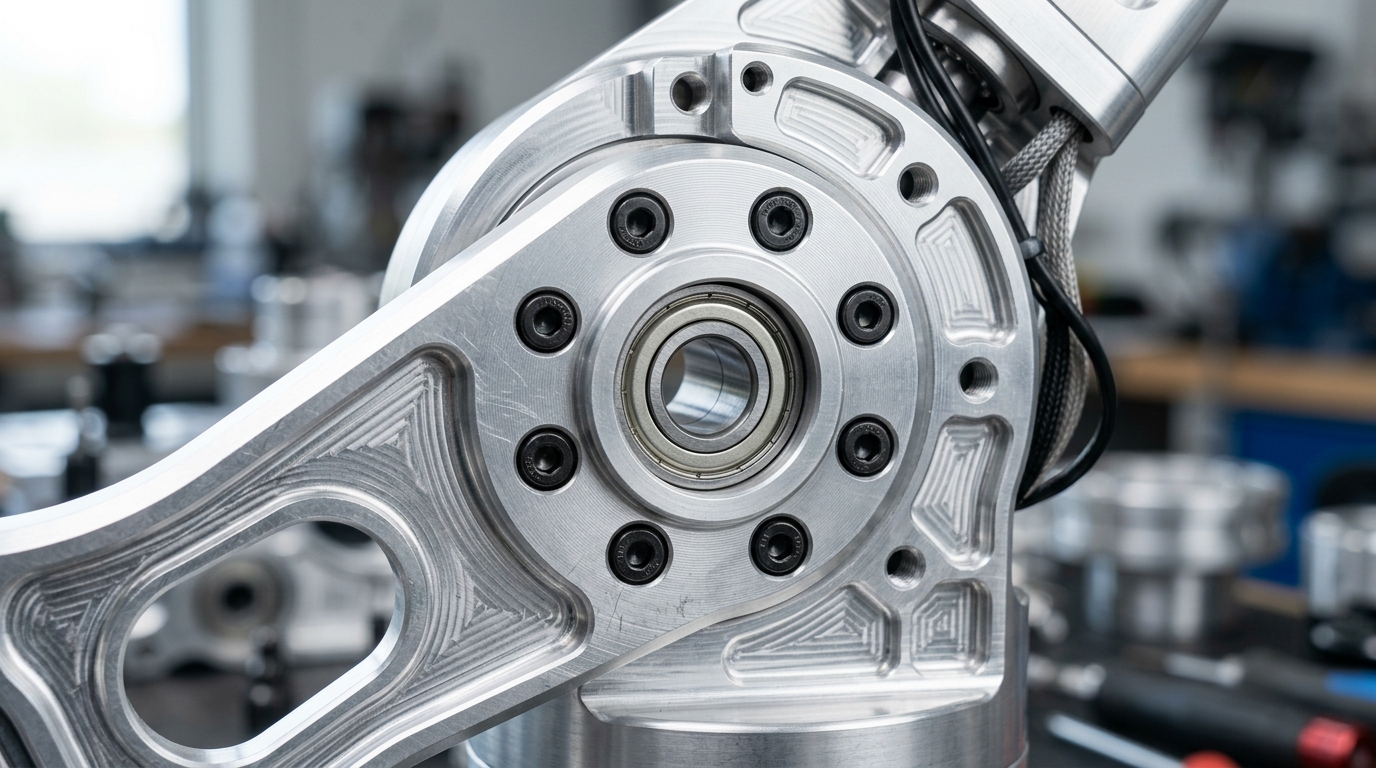
Robotics hardware benefits from careful control of alignment, stack-up, and repeatability.
Prototype-to-pilot transitions often require the same supplier to maintain design continuity.
CNC machining works well where motion quality and assembly fit are more important than very high volume.
FAQ
Common questions about CNC machining for this application.
What robotics parts are commonly CNC machined?
Common robotics CNC parts include arm joints, motor brackets, gearbox housings, end-effector components, and structural mounting hardware.
Why is CNC machining useful for robotics development?
Robotics development often needs quick revisions, precise interfaces, and strong lightweight materials, which makes CNC machining a practical solution.
Can CNC machining support new energy hardware as well as robotics?
Yes. The same machining workflow can support EV charging hardware, battery-related components, and other clean-energy mechanical assemblies.
Related sectors
Explore the rest of the applications cluster.
Robotics & Energy
Developing robotics or new energy hardware?
Share your assembly requirements and we will review the precision-critical areas first.