MaterialsAluminum
Aluminum CNC machining for lightweight parts, housings, and structural components.
Teams often choose aluminum when they need a metal that machines efficiently, supports anodizing well, and fits everything from brackets and enclosures to fixtures and EV hardware.
Aluminum
Lightweight
Good corrosion resistance
Excellent machinability
Best for
01
Lightweight hardware
02
Cosmetic metal parts
03
Rapid iterations with good machinability
Key traits
Lightweight
Good corrosion resistance
Excellent machinability
Strong finish compatibility
Machining notes
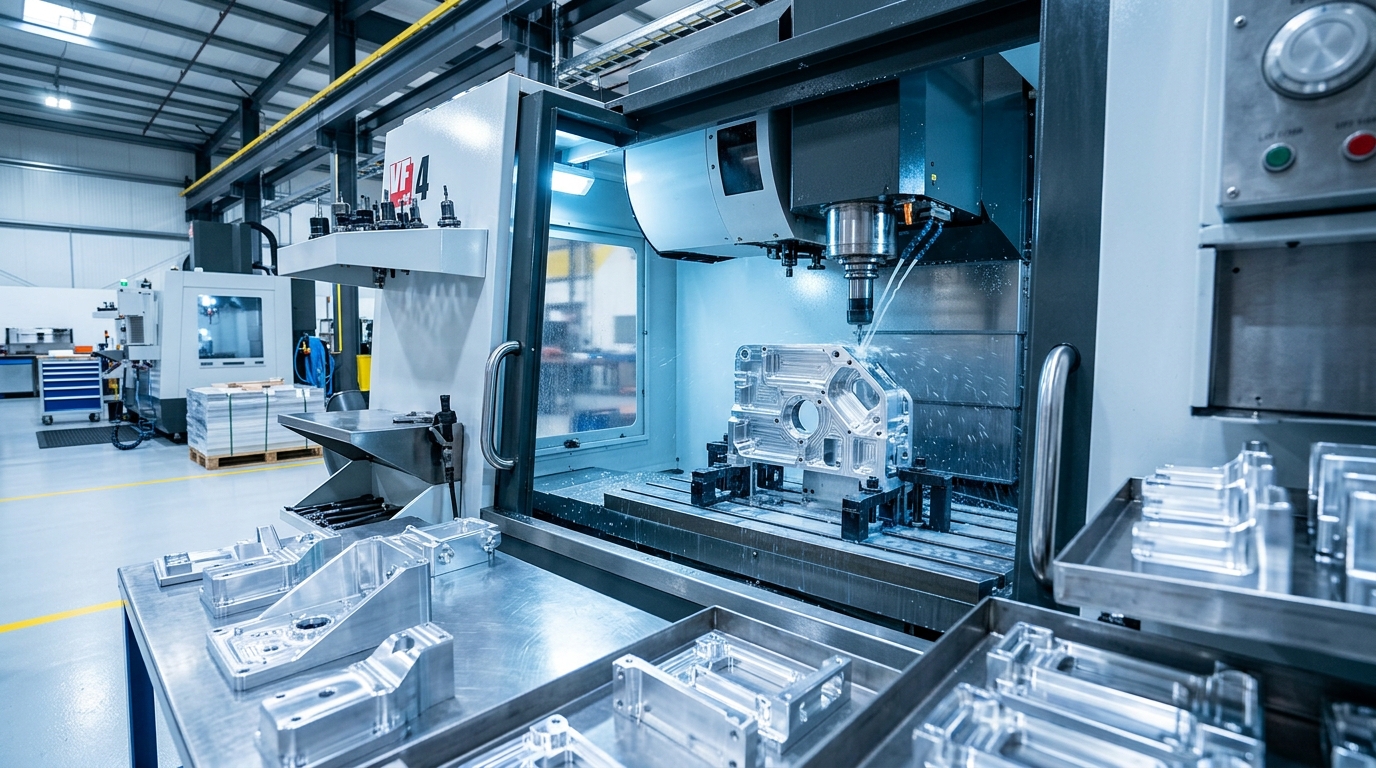
Aluminum usually offers faster machining cycles than many harder alloys.
Wall thickness, tool marks, and cosmetic surfaces should be reviewed together when appearance matters.
Different aluminum grades shift the balance between strength, finish quality, and cost.
Common finishes
AnodizingBead blastingBrushingPolishing
Common parts
The part families most often matched to this material.
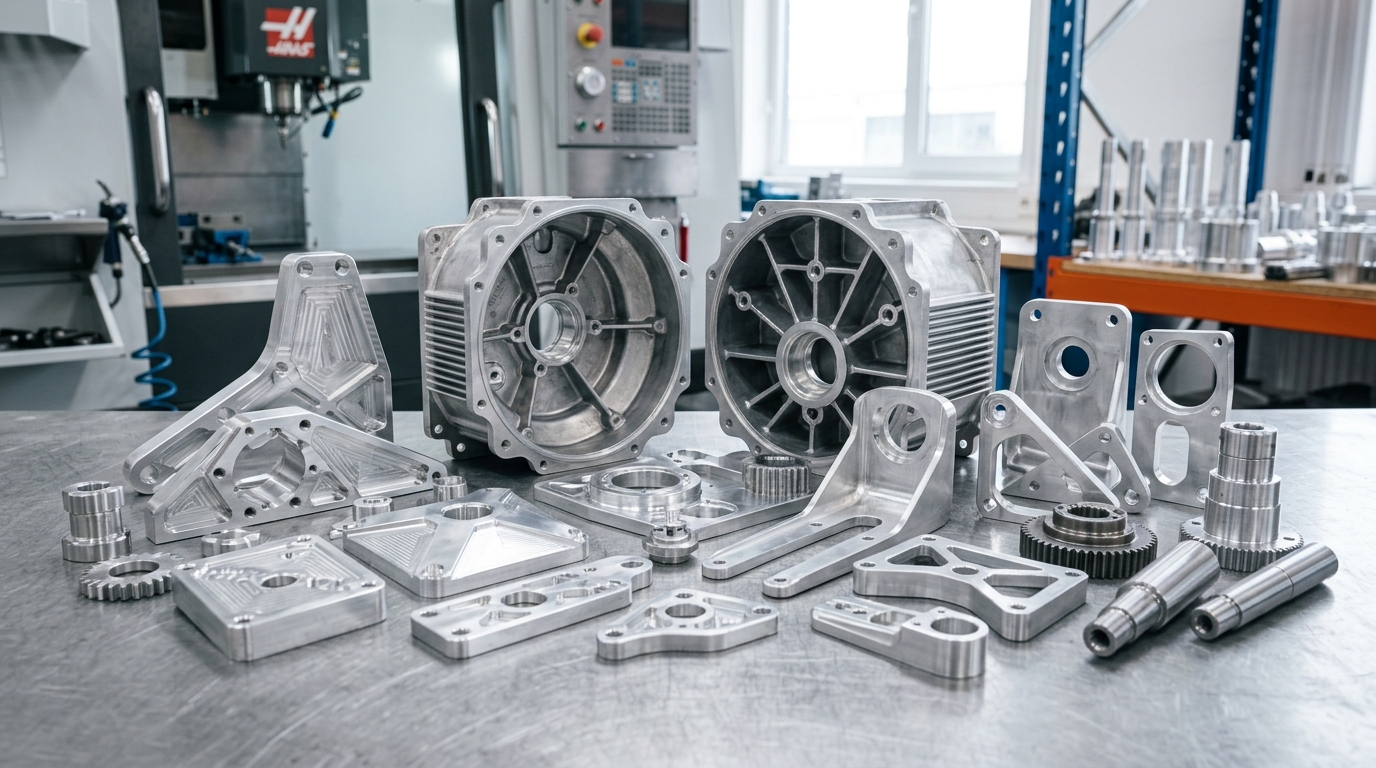
Brackets and mounts
Electronic housings
Fixture plates
Battery enclosure hardware
FAQ
Common questions about this CNC material.
Why is aluminum so common in CNC machining?
Because it is lightweight, machines efficiently, supports many finishes, and works well across prototypes, fixtures, and production parts.
Which aluminum grades are often used?
6061 and 7075 are among the most common, with 6061 favored for versatility and 7075 often chosen for higher strength.
Is aluminum good for cosmetic parts?
Yes. Aluminum is often selected for visible parts because it can achieve clean machined surfaces and works well with anodizing and other finishes.
Aluminum
Need CNC parts in aluminum with clean finish and fast turnaround?
Send your drawings and we will help you compare aluminum grades, finish options, and machining efficiency for your part geometry.